World COPD Day highlights the importance of early detection and treatment of chronic obstructive pulmonary disease, a condition that can gradually restrict breathing and significantly affect quality of life.
Chronic obstructive pulmonary disease (COPD) is one of the most common chronic respiratory diseases. It is characterised by persistent symptoms such as shortness of breath and a chronic cough. Over time, the disease may gradually worsen and significantly affect everyday life. This is why recognising the symptoms early, establishing a diagnosis and starting appropriate treatment are so important.
World COPD Day is observed on the third Wednesday of November each year to raise awareness of this chronic lung disease, the importance of early recognition and timely treatment, as well as opportunities for prevention and improving patients’ quality of life
Patient: “The Cough Was Literally Suffocating Me”
The experience of 66-year-old Ljiljana shows how easily the symptoms of COPD can be mistaken for a so-called smoker’s cough, potentially delaying appropriate diagnosis.
“For six months, I was coughing constantly. As a long-term smoker, I often had a cough when I lit a cigarette, but during those six months, it was different. I didn’t have a fever or any other symptoms, but the cough was literally suffocating me. Over time, I started having difficulty breathing while walking and had to stop frequently to catch my breath, but I thought it was simply because I was tired,” recalls Ljiljana, who was diagnosed with chronic obstructive pulmonary disease in 2024.
Her symptoms worsened in stressful situations, and her breathing difficulties even prevented her from sleeping.
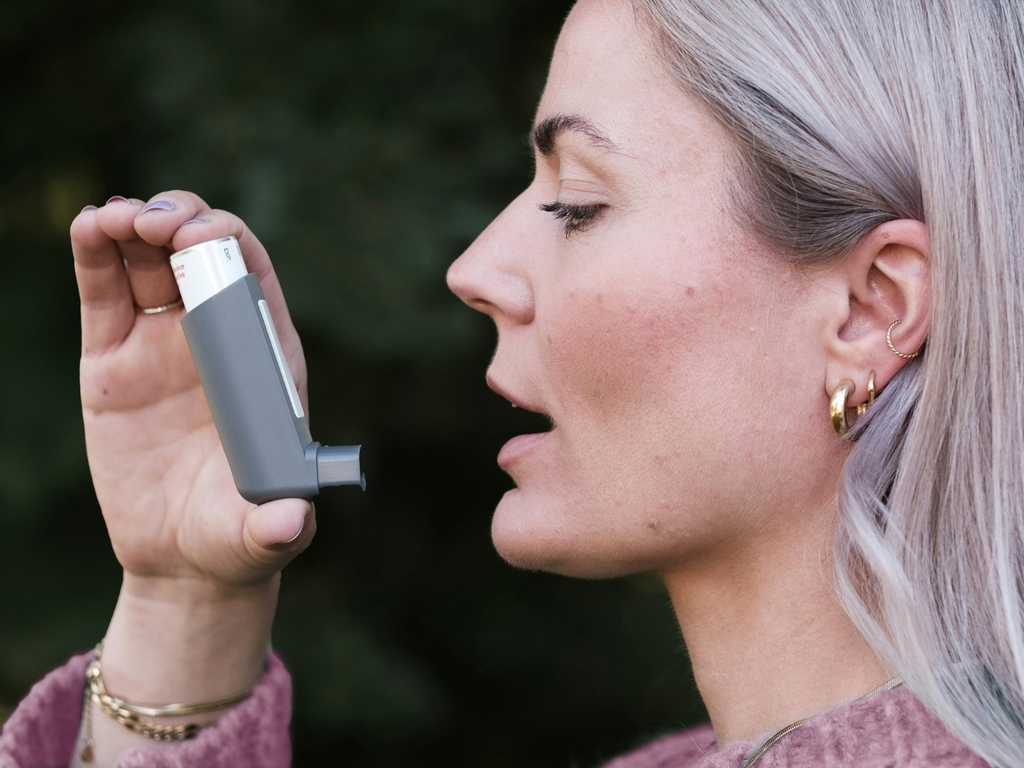
“It all came to a head one evening when I suddenly felt unwell and could barely breathe. I went to the emergency department, and as soon as I walked in, I collapsed. I was admitted to hospital and given oxygen through a mask. I recovered within an hour, but I spent several days in hospital undergoing tests, which eventually revealed that I had COPD. My blood test results were completely normal, but the lung function tests showed what was wrong,” she explains.
She stopped smoking that same evening, now always carries her inhaler and says her condition is stable. However, she has lost her sense of smell and has also been diagnosed with diabetes, which her doctors associate with her underlying condition.
COPD is a chronic, progressive lung disease characterised by airflow limitation accompanied by persistent respiratory symptoms. According to the Global Initiative for Chronic Obstructive Lung Disease (GOLD), COPD is characterised by chronic respiratory symptoms, including shortness of breath, exercise intolerance, sputum production and coughing with difficulty clearing mucus.
COPD is the third leading cause of death among adults worldwide. According to the World Health Organization, approximately 3.4 million people died from the disease in 2023.
What Are the Main Characteristics of COPD?
“COPD is characterised by reduced airflow and impaired gas exchange in the lungs. COPD develops gradually, and treatment, together with lifestyle changes – particularly stopping smoking and avoiding exposure to irritants – can help control symptoms and slow disease progression.
Two conditions are characteristic of COPD: chronic bronchitis and emphysema. Chronic bronchitis involves frequent inflammation of the airways, causing excessive production of mucus, coughing and difficulty breathing. Emphysema involves damage to the small air sacs, known as alveoli, enlargement of the air spaces and a reduction in the respiratory surface area, which limits gas exchange in the lungs,” explains Dr Zlatko Majić, a specialist in internal and emergency medicine and subspecialist in pulmonology at the International Medical Centre Priora.
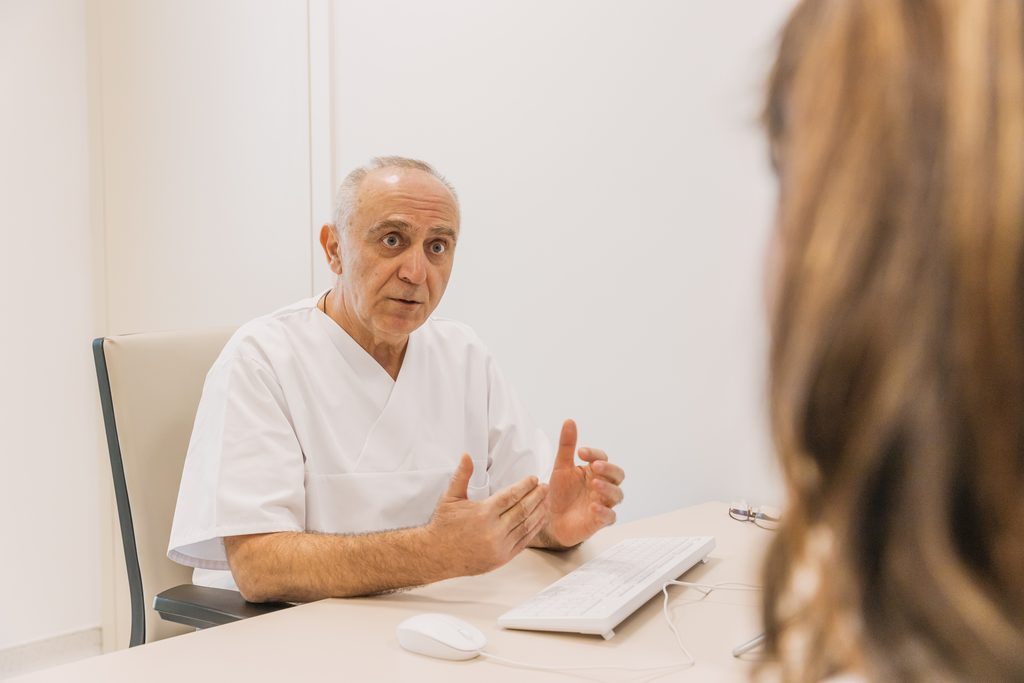
The most common cause of COPD is tobacco smoking. Other causes and risk factors include exposure to workplace irritants, such as organic and inorganic dust, genetic factors – particularly alpha-1 antitrypsin deficiency – and household air pollution, for example from burning coal and biomass fuels such as wood for cooking and heating.
In most cases, COPD can be prevented by reducing exposure to risk factors.
What Changes Does COPD Cause in Lung Tissue?
Chronic inflammation caused by inhaled irritants leads to structural changes in the airways, known as airway remodelling. These changes include narrowing of the airways, loss of respiratory surface area and increased mucus production. At the same time, the lungs become less effective at clearing mucus from the airways, particularly the smaller ones, further restricting airflow.
How to Recognise COPD?
“The leading symptom of COPD is shortness of breath, which is chronic and progressive and may eventually lead to disability. Another prominent symptom is a cough, which may be productive due to increased mucus secretion and can persist for more than three months each year for at least two consecutive years. A feeling of chest tightness may also indicate COPD. This can vary throughout the day and most commonly occurs during physical exertion,” explains Dr Zlatko Majić.
How Is COPD Diagnosed?
COPD is diagnosed through a combination of medical history, clinical examination and spirometry. During the consultation, the doctor gathers information about symptoms such as shortness of breath at rest or during physical activity, rapid fatigue, coughing and difficulty clearing mucus. Risk factors are also assessed, particularly smoking and exposure to harmful particles and gases.
Spirometry is the key test used to confirm a COPD diagnosis. It measures lung function and capacity.

Depending on the patient’s symptoms and clinical assessment, additional examinations may include calculating body mass index (BMI), a chest X-ray and, when necessary, a chest CT scan.
Which Associated Diseases and Conditions Can Affect the Course and Severity of COPD?
“Chronic obstructive pulmonary disease is often associated with other diseases and conditions, including asthma, cardiovascular diseases, metabolic syndrome, osteoporosis, anxiety and depression. These conditions can place an additional burden on patients’ health and affect their symptoms, quality of life and the course of the disease,” explains pulmonologist Dr Majić.
What Does COPD Treatment Involve?
Treatment focuses on relieving symptoms, improving quality of life, preserving lung function and reducing the risk of disease exacerbations.
The first and most important non-pharmacological measure is smoking cessation. It is also important to reduce exposure to other harmful particles and gases, including those encountered in the workplace.
Depending on the symptoms, the doctor may prescribe inhaled medications – bronchodilators.
Pulmonary rehabilitation is also recommended. It includes tailored exercise, patient education and breathing techniques. These measures can help reduce breathlessness, improve physical endurance and make everyday activities easier.
Vaccination helps reduce the risk of respiratory infections that may trigger COPD exacerbations. The influenza vaccine is administered annually before the start of the flu season, while the pneumococcal vaccine provides protection against Streptococcus pneumoniae, a bacterium that can cause pneumonia.
The most common causes of COPD exacerbations include viral infections and bacterial infections combined with viral superinfection, particularly during the winter months. Such episodes are characterised by a sudden worsening of symptoms, including increased coughing and sputum production, shortness of breath and general weakness.
Do not ignore symptoms that make breathing difficult. A timely assessment by a pulmonologist and appropriate diagnostic tests can help identify COPD early and determine the most suitable treatment. For an appointment or further information, contact the International Medical Centre Priora.

