On World Heart Day, observed on September 29, learn when an ECG may be recommended, what this simple test can reveal and why paying attention to your heart matters.
“Don’t Miss a Beat” is the theme of this year’s World Heart Day, traditionally observed on September 29 as a global campaign to raise awareness of heart health. World Heart Day was established by the World Heart Federation in 1990. Adopting healthy lifestyle habits is one of the key steps in maintaining heart health. It is equally important to pay attention to the signals our body sends us so that potential health problems can be recognized in time.
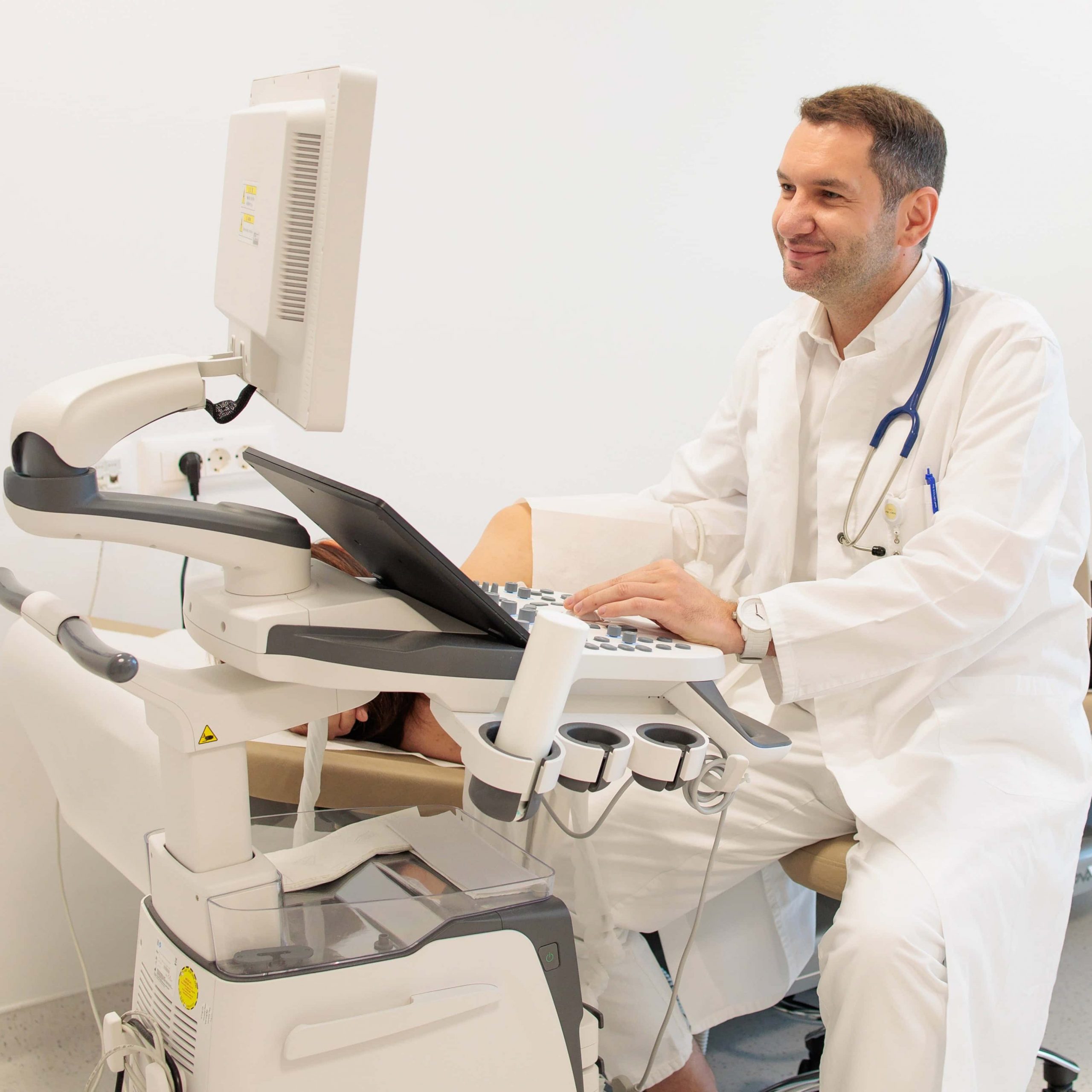
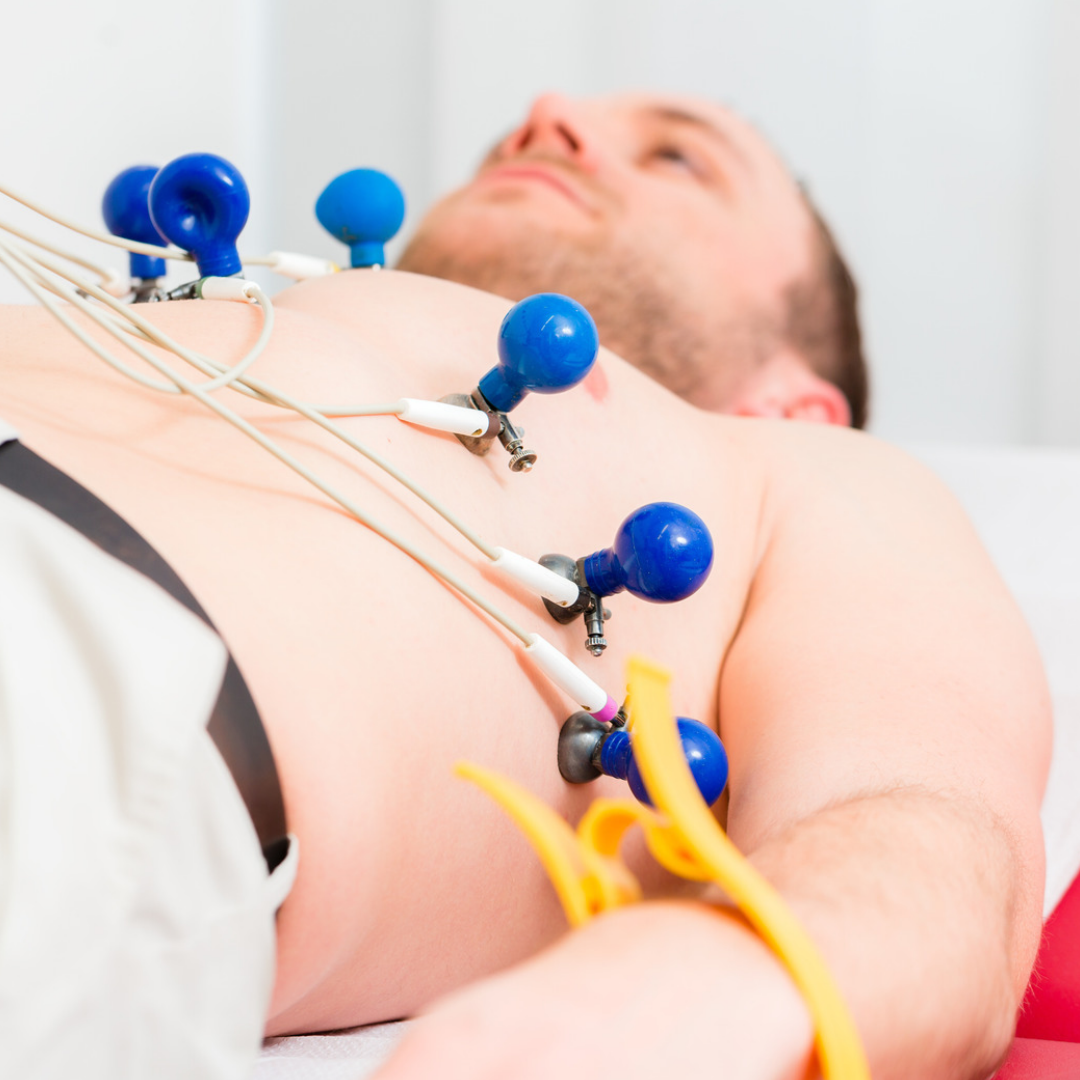
An ECG (electrocardiogram) is one of the most basic and commonly used tests for assessing heart function. It records the electrical activity of the heart and can help detect heart rhythm disorders, certain changes in heart function and signs that may indicate heart disease. It is a non-invasive and painless test that takes only a few minutes.
When Is an ECG Recommended?
Symptoms that may be a reason for performing an ECG include:
- • chest pain or pressure
- • palpitations or an irregular heartbeat
- • shortness of breath
- • dizziness or fainting
- • unexplained fatigue.
A doctor may also recommend an ECG for people who have an increased risk of cardiovascular disease, as part of a broader cardiology assessment or before certain procedures and treatments.
Should People Without Symptoms Have an ECG?
Not necessarily. For completely healthy individuals without symptoms or specific risk factors, routinely repeating an ECG is not a standard recommendation.
However, an ECG may be included as part of a preventive cardiology examination when a doctor determines that there is a reason for it, for example due to age, family history, risk factors or certain symptoms.
An ECG may also be performed as part of a general health check-up, depending on the scope of the examination and the doctor’s assessment.
How Often Should You Have an ECG?
There is no universal rule such as “once a year.” How often an ECG should be performed depends on your health, symptoms, risk factors and the results of previous examinations.
What Happens if the ECG Shows an Abnormality?
An abnormal ECG result does not automatically mean that you have a serious heart condition. The result should be interpreted by a doctor in the context of your symptoms, medical history and other findings.
Depending on what the ECG shows, your doctor may recommend additional tests or examinations, such as:
• laboratory tests
• Holter ECG monitoring, which continuously records the heart rhythm over a longer period
• echocardiography
• an exercise stress test
• a consultation with a cardiologist.
There is no need to wait for serious symptoms before paying attention to your heart health. Regular check-ups, healthy lifestyle habits and a timely response to symptoms can all play an important role in maintaining a healthy heart.

Schedule an appointment and check your heart health with a professional assessment by Assoc. Prof. Aleksandar Kibel, MD, PhD, Head of the Department of Internal Medicine and Cardiology at IMC Priora.

