A scar is a natural and normal part of the skin’s healing process following an injury. When the skin is injured, the body works to restore normal blood flow and function, and this process is known as wound healing.
Small, superficial injuries to the skin do not result in scars. For a scar to form, the injury must extend into a deeper layer of the skin, specifically the reticular dermis. Ideally, scars should be level with the surrounding skin, narrow, and similar in colour to the adjacent skin.
Causes of Abnormal Wound Healing and Scar Formation
Several factors can contribute to poor wound healing, including infection, inadequate blood supply to the scar area, and trauma. Poor wound healing can result in the development of keloids and hypertrophic scars (raised scars), which are believed to develop as a result of prolonged inflammation of the skin.
Why Do Patients Choose Scar Reduction?
There are many reasons why patients may choose scar reduction treatment. In some cases, the reason is functional, in others aesthetic, while sometimes treatment is sought to reduce the emotional impact associated with a scar.
Large or irregular scars can reduce the mobility and elasticity of the skin, which may lead to restricted movement. For example, a person may no longer be able to fully extend their arm, resulting in a functional impairment. In addition to restricted mobility, some scars can also be particularly painful.
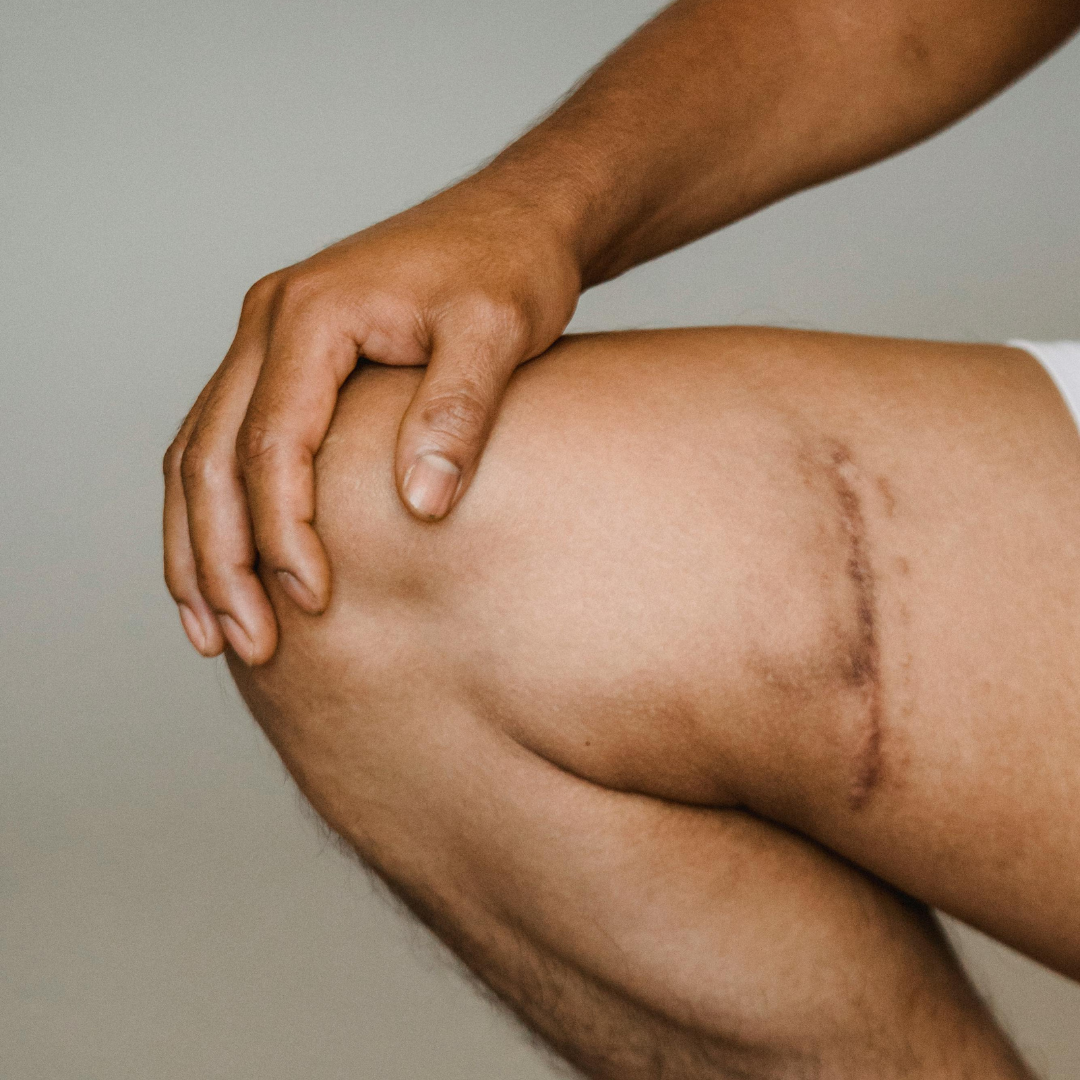
In addition to restricted mobility, some scars can be particularly painful. From an aesthetic perspective, a scar may be located in a visible area, such as the face, forearms, neck, or lower legs, which may lead patients to seek treatment to improve their appearance and strengthen their self-confidence. There may also be an emotional reason for seeking scar reduction. Scars can result from trauma, an impact, a cut, or a similar event, and for some people, they may serve as a constant reminder of a traumatic experience. In such cases, reducing the appearance of the scar may help them think less about the event and move forward.
How Long Does It Take for a Scar to Form?
The healing process takes time, and the development of a mature scar generally requires approximately 12 to 18 months. This is important because allowing the scar to fully mature before scar reduction treatment can lead to better results and a lower risk of complications.
What Is the Goal of Scar Treatment?
The goals of scar treatment should always be discussed with a physician. The extent to which a scar can be reduced and normal function restored depends on several factors, including the size of the scar, the patient’s age, risk factors such as smoking, diabetes and high blood pressure, and the selected treatment method.
What Scar Treatment Methods Are Available at IMC Priora?
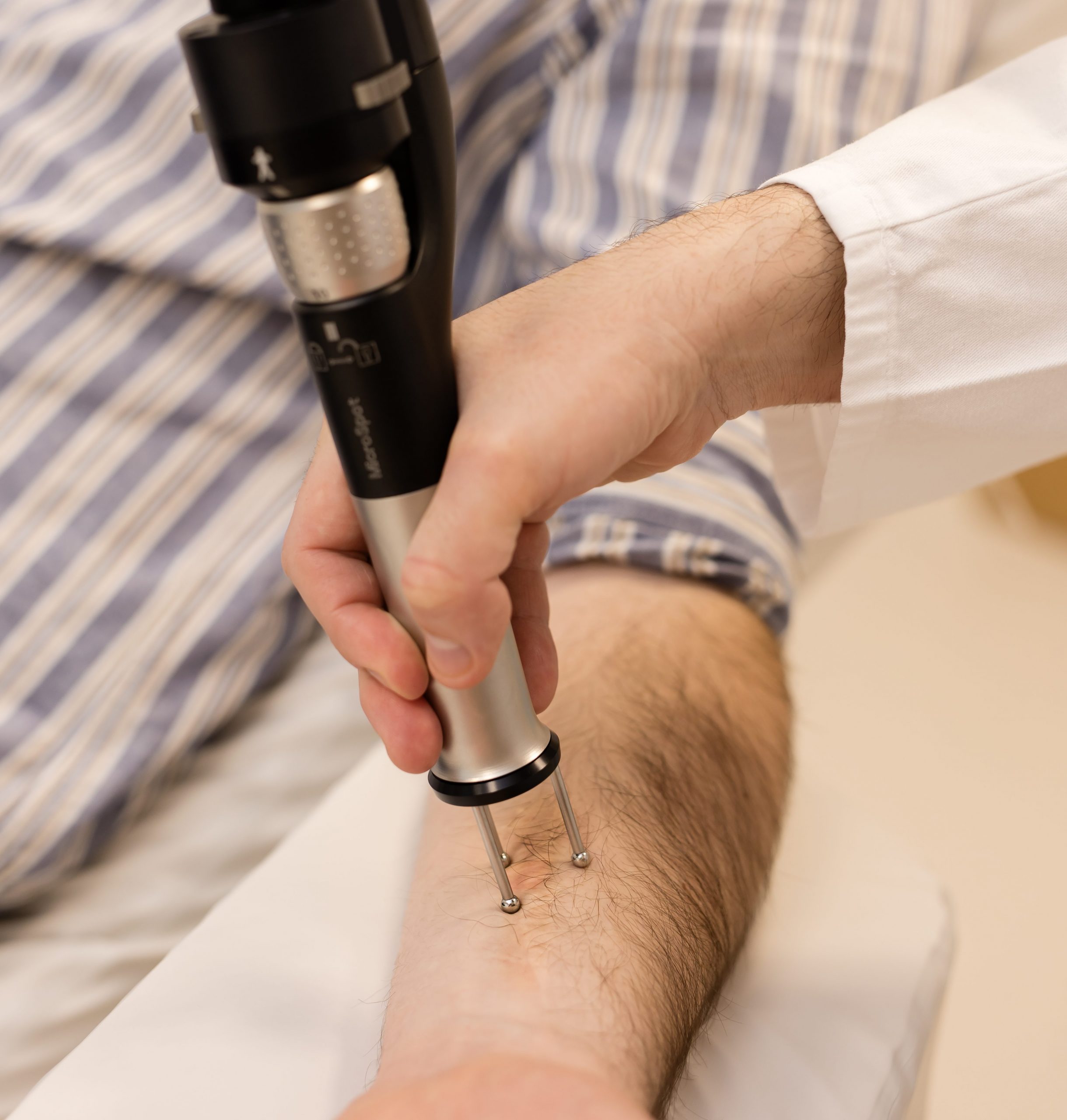
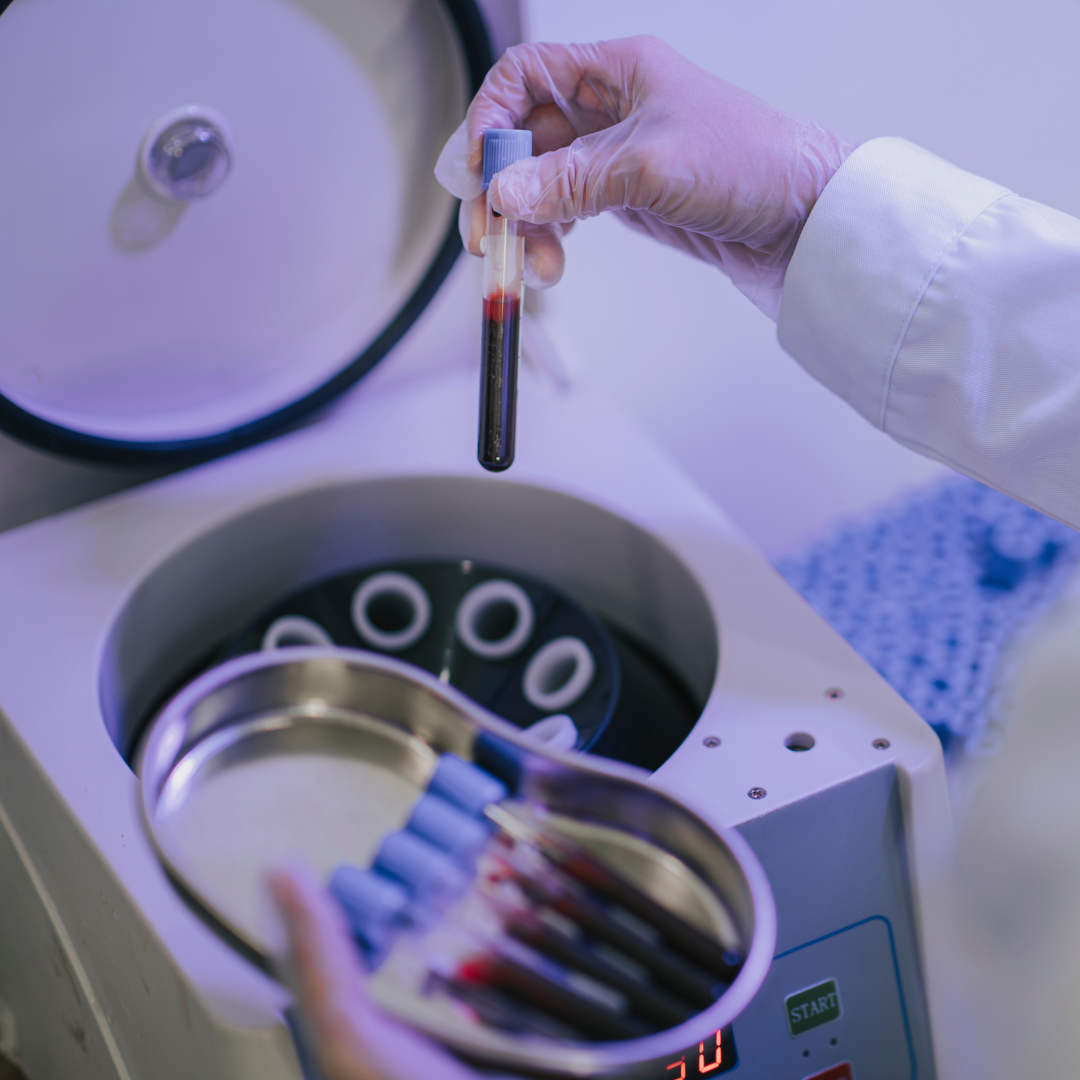
Non-surgical methods include laser scar treatment combined with PRP (Platelet-Rich Plasma), dermabrasion, and microneedling. Surgical methods include laser surgery, scar revision using simple local flaps, complex microsurgical procedures, expansion of the donor site for free flap reconstruction, tissue expanders, and replacement with acellular dermis. The choice of scar reduction technique should be discussed with the specialist team at IMC Priora, as each technique has its advantages and limitations. For this reason, an individualised approach is essential for every scar and every patient.
What Is Important for Surgical Scar Treatment?
Adequate preparation for surgery is essential. This means keeping existing medical conditions under control, particularly diabetes, and informing your physician if you are taking medications that may suppress the immune response, such as corticosteroids. You should also inform your physician if you are taking anticoagulants or other medications that affect blood clotting. Smoking cigarettes and the use of tobacco products should be avoided, and all relevant medical documentation and a complete list of medications should be prepared. At IMC Priora, surgical scar treatment is performed under general anaesthesia (sedation). Before the procedure, an examination by an anaesthesiologist is required, during which your medical history, existing conditions, and current medication will be reviewed in greater detail.
What Are the Possible Complications of Surgery?
Complications are generally minimal. Early complications may include bleeding, pain, infection, or failure of a local flap. Later complications may include contracture (“tightening of the skin”), enlargement of the scar, changes in skin colour, nerve damage, or skin deformity.
Although complications are generally minimal, it is important to discuss the potential risks with patients so that both the physician and the patient have realistic expectations and are satisfied with the expected treatment outcomes.

