HPV (human papillomavirus) is a very common virus that is most often transmitted through sexual intercourse or close skin-to-skin contact. It can be transmitted through vaginal, anal, or oral sex, even when the infected person has no visible symptoms. The virus can cause various changes to the skin and mucous membranes. Most commonly, these include warts on the skin and in the anal and genital areas. Depending on the type of virus, warts may be completely harmless or, over time, progress to precancerous changes. Most HPV infections, however, are “silent” and cause no signs or symptoms. In such cases, the virus can only be detected through testing.

It is important to know that in most cases HPV does not develop into cancer, but remains as a wart or even as an unnoticed infection. Today, we know that certain types of HPV are associated with cancers of the throat, oral cavity, anus and, most notably, the cervix. Types 6 and 11 are considered low-risk and most commonly cause genital warts. Types 16 and 18 are high-risk types and are the most common causes of changes that can progress to cancer.
HPV itself, however, is not the only cause of cancer. Its progression can be influenced by additional factors such as smoking, a weakened immune system, folate deficiency, exposure to UV radiation, or pregnancy.
How Are HPV-Related Changes Recognized and Diagnosed?
Skin warts can appear on the hands or feet, so the physician examines the entire affected area, including the spaces between the fingers or toes. Genital warts can occur around the anus and genital area, and the examination is adapted to the individual patient. In women, a vaginal examination using a speculum may be performed when necessary, while in men, the urethra may be examined if symptoms are present. If there has been oral contact, the throat may also be examined. When changes to the cervix are suspected, a cervical examination is performed. Depending on the patient’s age and previous findings, a Pap test may also be recommended.
Pap Test
The Pap test is an examination used to detect early changes in the cells of the cervix which, if left untreated, can progress to cervical cancer. It is one of the most important preventive examinations for women.
What Does the Examination Involve?
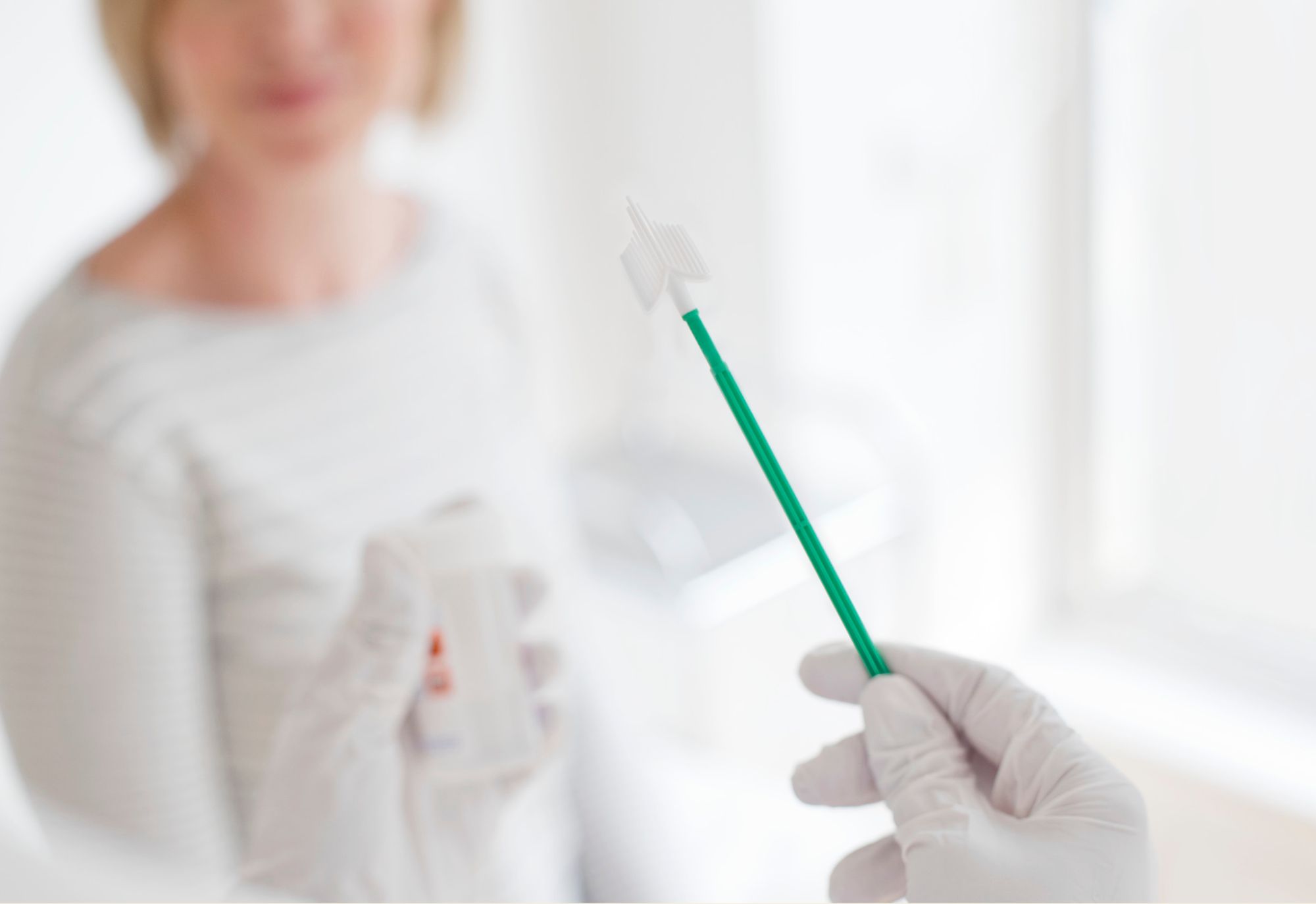
During a gynecological examination, the physician gently inserts a device called a speculum to open the vagina and visualize the cervix. A small brush or swab is then used to collect a superficial layer of cells from the cervix. The collected sample is sent to a laboratory, where the cells are examined under a microscope.
Why Is the Pap Test Performed?
The Pap test detects changes in cervical cells before cancer develops. These changes most commonly occur as a result of a persistent HPV infection, particularly with high-risk HPV types.
HPV Testing
The Pap test is often performed together with an HPV test. The HPV test detects the presence of high-risk types of the virus in cervical cells. When both tests are performed simultaneously, the reliability of detecting potentially dangerous changes increases.
What If the Result Is Abnormal?
Test results are classified according to the severity of the detected changes. If changes are found that suggest a more significant abnormality of the cells, the physician may recommend colposcopy.
What Is Colposcopy?
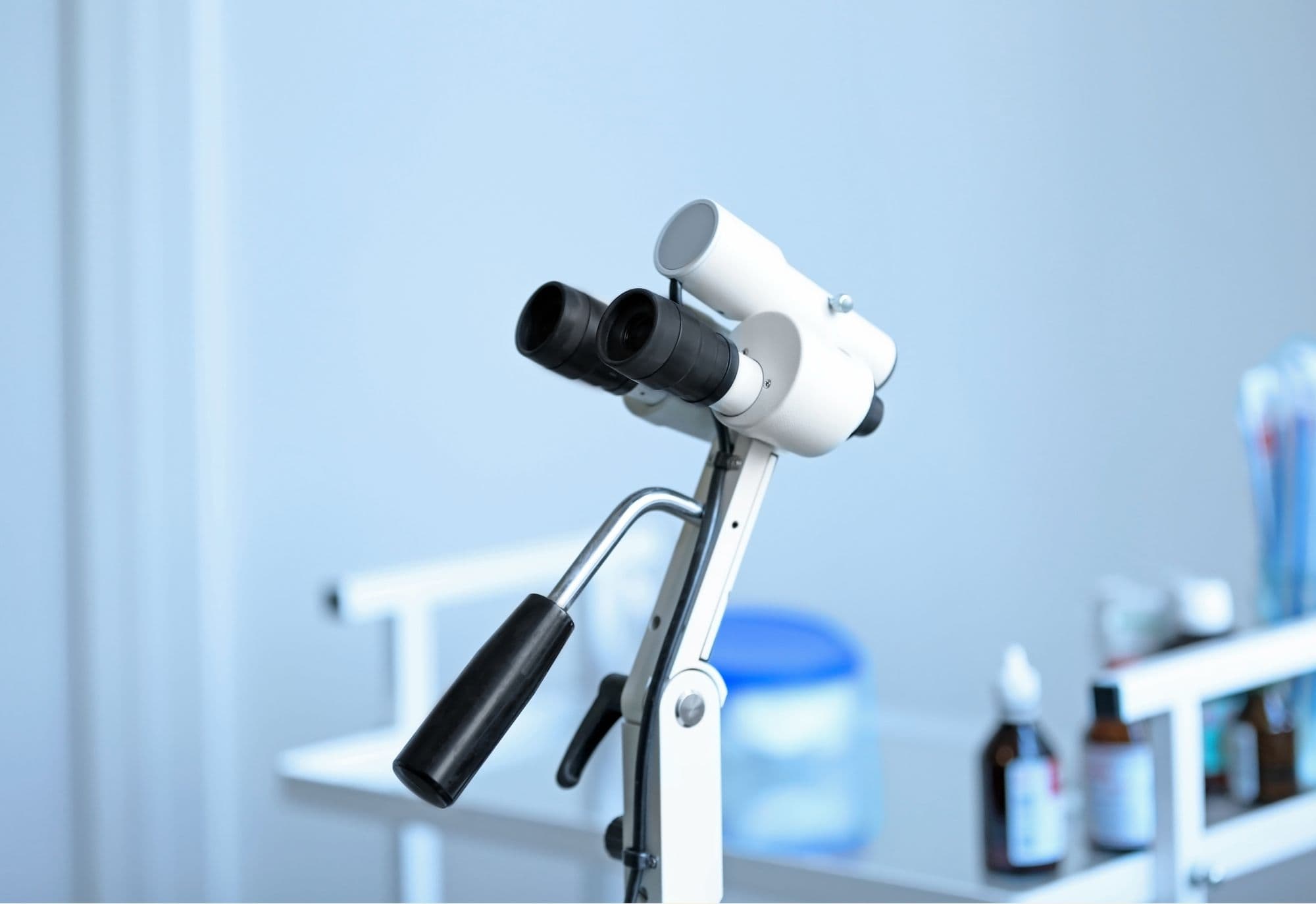
Colposcopy is a more detailed examination of the cervix. If a suspicious area is identified, a small tissue sample (biopsy) may be taken to determine precisely whether precancerous changes or cancer are present.
Why Is the Pap Test Important?
Regular Pap testing can detect changes years before a serious disease develops. Thanks to early detection and treatment, cervical cancer can, in the vast majority of cases, be prevented.
Can HPV Be Cured?
The virus itself cannot be directly treated. In most cases, the body clears the virus on its own through the immune system. Treatment is directed at the consequences caused by HPV, such as genital warts or cervical changes.
Even after warts have been removed, the virus may remain present in the body and can be transmitted to a partner, although it may not cause any symptoms.
Vaccination
Today, vaccines are available that protect against the most dangerous types of HPV. The vaccine protects against types 16 and 18, which cause a large proportion of cervical cancer cases, as well as types 6 and 11, which cause most genital warts.
Vaccination is recommended for girls and increasingly for boys between the ages of 11 and 25, ideally before the beginning of sexual activity. During this period, the vaccine provides the best protection because the body has not yet been exposed to the virus.

