The diagnosis of cancer was definitively confirmed by a prostate biopsy performed using the Mona Lisa device at Priora. Urologist Dr. Tomislav Kalem then recommended surgery using the Da Vinci robotic system, says S. Marković.
Da Vinci robotic prostate surgery in Čepin
He learned that he had prostate cancer in spring 2025, and thus began a health battle that took him across the border to Čepin near Osijek, into the safe hands of the medical team at IMC Priora – and the remarkable Da Vinci robot. Two and a half months after the difficult diagnosis, the cancer was successfully removed.
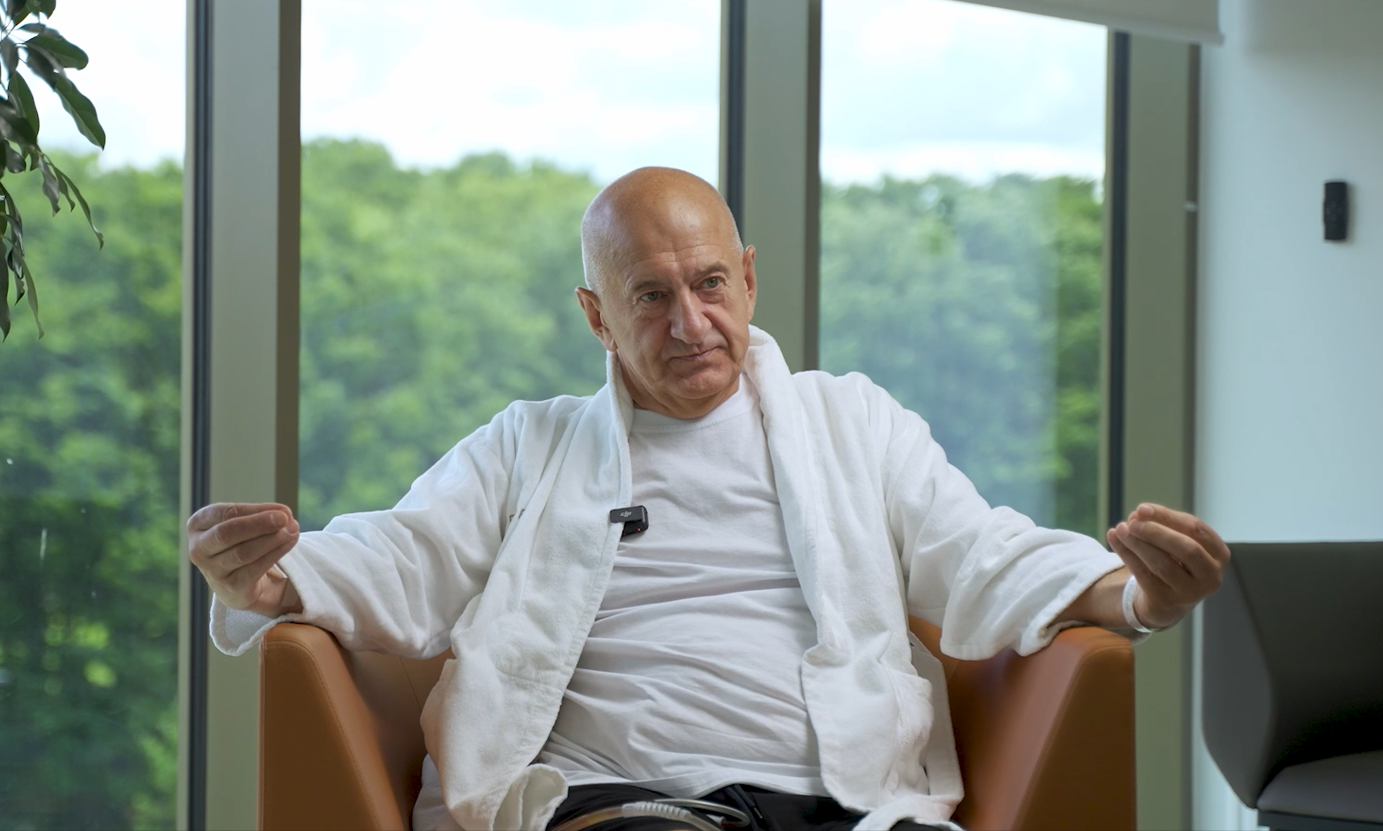
– I had benign prostatic hyperplasia as well as prostatitis, and during a follow-up examination, my PSA levels were quite high. An MRI suggested prostate cancer, which was definitively confirmed by a prostate biopsy using the Mona Lisa device at Priora. Urologist Dr. Tomislav Kalem then recommended surgery with the Da Vinci robotic system, says Marković.
He learned about Priora from a friend who was also a patient there.
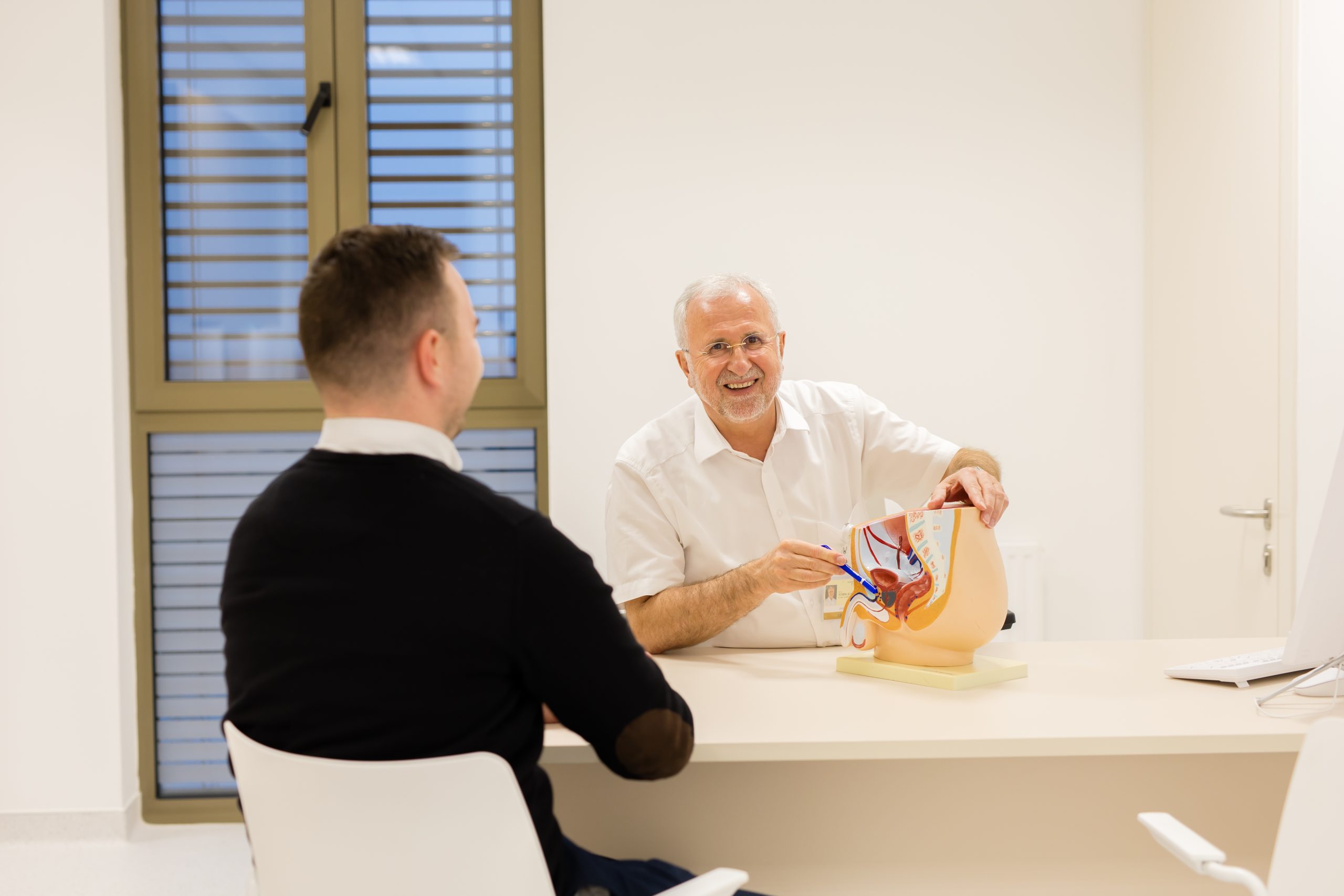
– Before coming to Čepin, I carefully researched what a prostate biopsy involves, and IMC Priora was a big novelty and surprise for me, due to its modern equipment, which is rare even in Europe, not just in this region. The biopsy was performed very simply, he adds.
The Mona Lisa Dx Biobot is an advanced robotic system for prostate biopsy that combines MRI and ultrasound imaging, enabling highly precise fusion biopsy. It is a minimally invasive procedure that gives doctors full control, while providing patients with greater safety, fewer complications, and faster recovery.
After the biopsy, Slobodan Marković also underwent radical prostatectomy at IMC Priora.
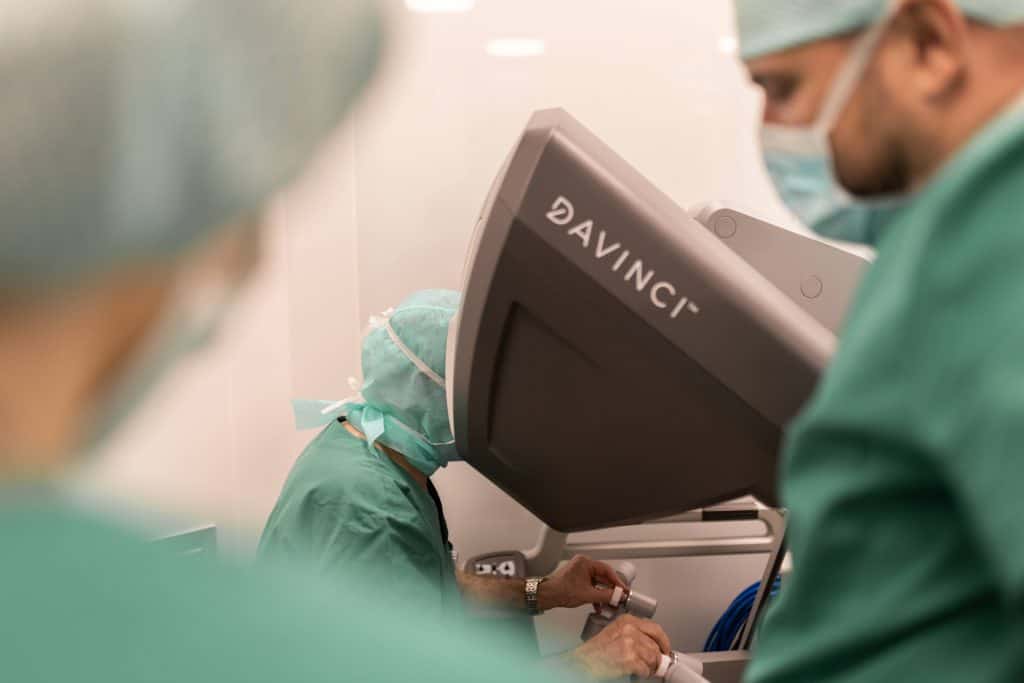
This is a minimally invasive surgical method used to remove the entire prostate affected by cancer. The procedure is performed using the Da Vinci robotic system, which enables exceptional precision and minimal incisions. This method is considered the gold standard in prostate cancer treatment, thanks to its greater safety, lower invasiveness, and faster patient recovery compared to traditional surgery.
When I faced the diagnosis of prostate cancer, it was very important to me to have the malignant tissue removed, to preserve my libido, and not to wear diapers for the rest of my life. When I spoke with Dr. Kalem, he explained that I was an excellent candidate for a cure because the cancer was confined to the prostate and had not spread, so I decided without much hesitation to undergo surgery at Priora, he says.
The diagnosis of a malignant disease affected him emotionally, he admits.
Before the surgery, I felt very uncomfortable in Belgrade, as if I had fallen into depression and anxiety because I had cancer. When I came to Priora, I expected that feeling to continue. But when you arrive at the hospital, you feel order, cleanliness, and organization. I see grass, flower beds, everything is clean and beautiful, and all the staff are truly amazing, and I am sincerely grateful to them. You can clearly feel that everything is systematic, organized, and team-based – Marković explains.
The sophisticated Da Vinci Xi system enables minimally invasive surgery and allows surgeons to access narrow anatomical areas specific to urological pathology, which are difficult to reach with traditional or laparoscopic techniques. Instead of large abdominal incisions, only small incisions of 5 to 12 millimeters are needed to insert instruments and a camera into the body.
“Da Vinci saved my ego; it saved my quality of life. I don’t want to sound sentimental, but it is an experience I would wish for anyone in a similar situation. I have no words to describe what the doctors and medical staff at Priora did for me,” concludes S. Marković, visibly emotional.
“I had very small punctures, I felt no pain afterwards, I had no bleeding, I tolerated the operation very well, and the postoperative recovery went excellently,” he notes.

