Once a patient decides to undergo surgery, the treatment plan is discussed and agreed upon with the members of the medical team involved in their care, including the surgeon, anesthesiologist, and, when necessary, an internal medicine specialist. The surgical procedure and the postoperative recovery period follow this.
How does the type of surgery affect recovery?
Every surgery and every patient are different, so the expected recovery time can only be estimated. Actual recovery may be shorter or longer than initially anticipated.
How does the type of surgery affect recovery?
Recovery depends greatly on the type and extent of the surgical procedure. Removing a mole from the back, for example, is very different from undergoing a total hip replacement.
After mole removal, most patients can return to their usual daily activities the same day, while avoiding strenuous physical activity until the stitches are removed.
Following hip replacement surgery, however, recovery may take several weeks and may include physical therapy and a gradual return to everyday activities.The expected outcome also depends on the individual patient, and some limitations may persist even after recovery.
Why can the same surgery require different recovery times?
Even when two patients undergo the same procedure, their recovery may differ. For example, in liposuction, patients may have different amounts and distributions of fatty tissue. One patient may require a larger volume of fat to be removed or treatment of several areas, such as the thighs and abdomen, while another may only require treatment of the abdomen. These differences can affect the extent of the procedure and the length of recovery.
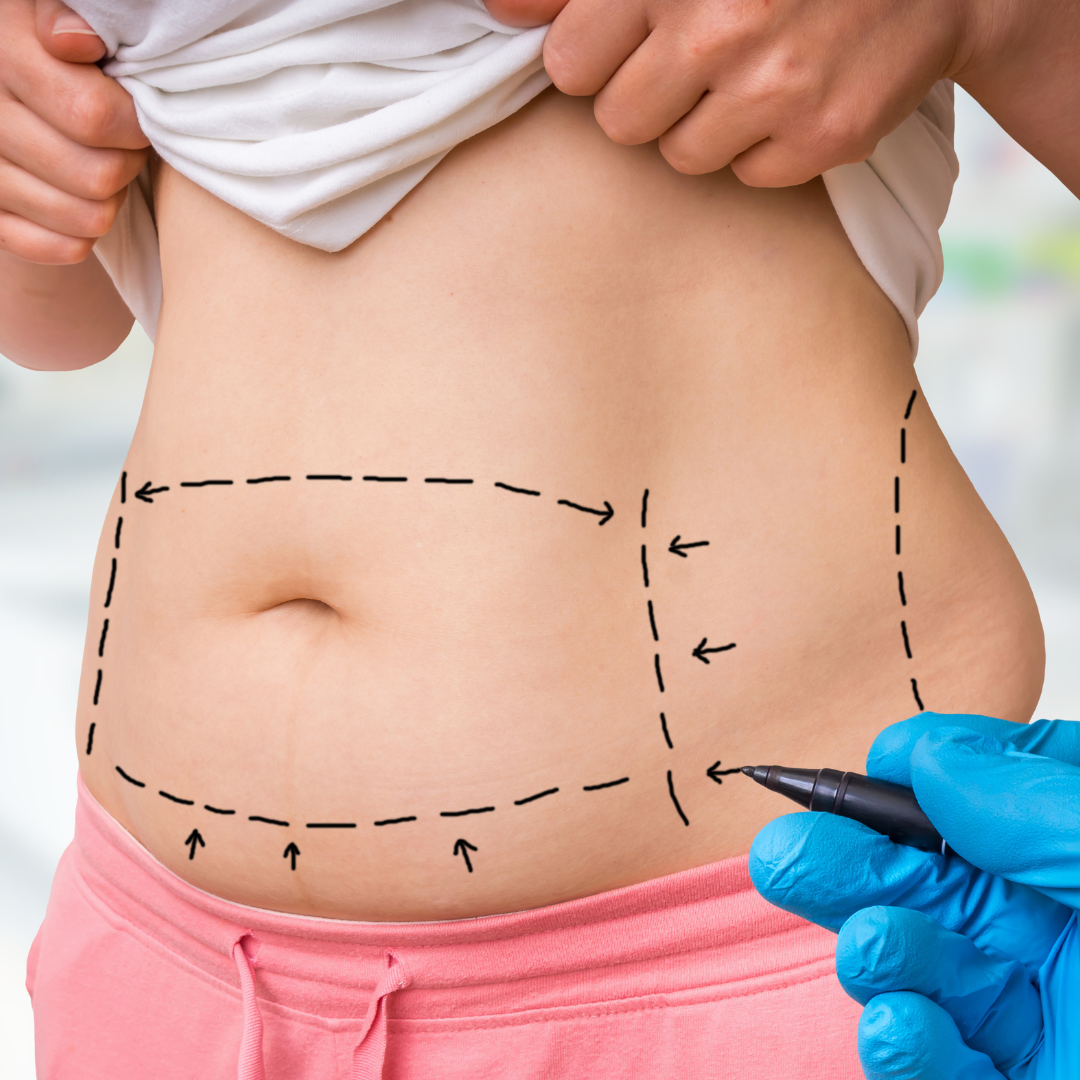
For this reason, before any surgery, it is important to discuss the expected benefits, possible risks, and potential complications with the surgical team.
What factors can prolong recovery after surgery?
Several factors can slow recovery and impair wound healing, including:
- smoking
- alcohol consumption
- increased body weight
- high blood pressure
- diabetes
- kidney disease
- liver disease
- heart disease
- osteoporosis
- rheumatic diseases
- certain medications
- age
- level of physical activity before surgery
- other individual health factors
It is therefore important to provide your surgeon and anesthesiologist with complete medical documentation and to have an open discussion about your health and any existing medical conditions before surgery. This helps the medical team assess potential risks and plan your care appropriately.
What can you do to support a faster recovery?
There are several steps you can take to prepare your body for surgery and support recovery. These include quitting smoking, reducing excess body weight, avoiding alcohol, keeping chronic conditions such as diabetes and high blood pressure under control, and maintaining an appropriate level of physical activity.
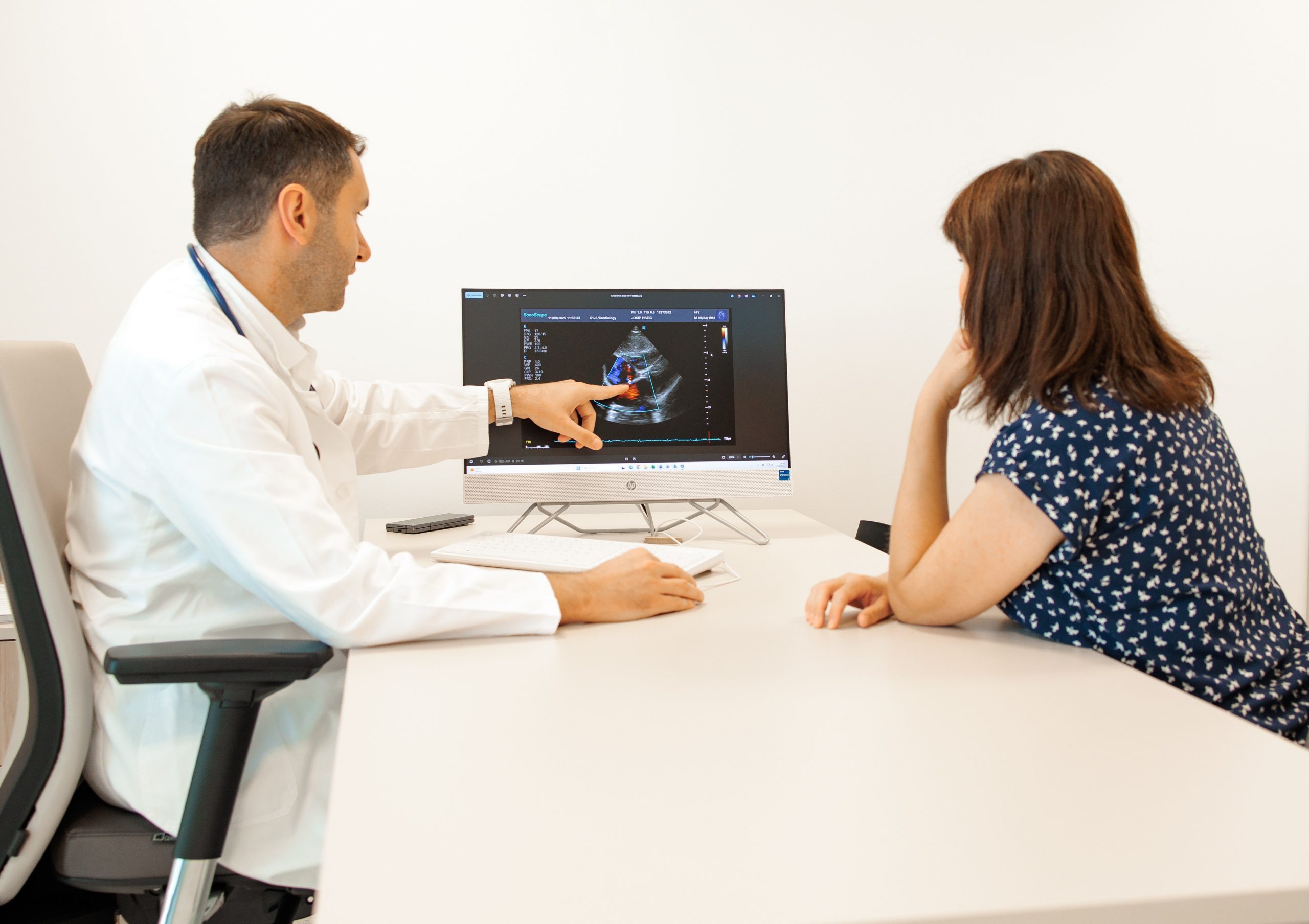
At IMC Priora, patients can receive support for weight management and the assessment and management of chronic conditions from specialists in cardiology, gastroenterology, internal medicine, and pulmonology.
How long does recovery take after different procedures?
The following are general examples for uncomplicated recovery. Recovery times vary from person to person and depend on the type of procedure, the patient’s health, the extent of surgery and the individual’s rehabilitation goals.
Hip replacement
Following total hip replacement, approximately 6 to 12 weeks may be required before returning to more demanding physical activities, depending on the patient’s recovery and rehabilitation.
ACL surgery
Following anterior cruciate ligament reconstruction, returning to physical activities and sports may take approximately 6 to 9 months, depending on rehabilitation and individual progress.
Liposuction
Many patients can return to work after approximately 5 days, while complete recovery may take from 6 weeks to several months, depending on the extent of the procedure.
Radical prostatectomy
Recovery after conventional open radical prostatectomy may take approximately 2 months.
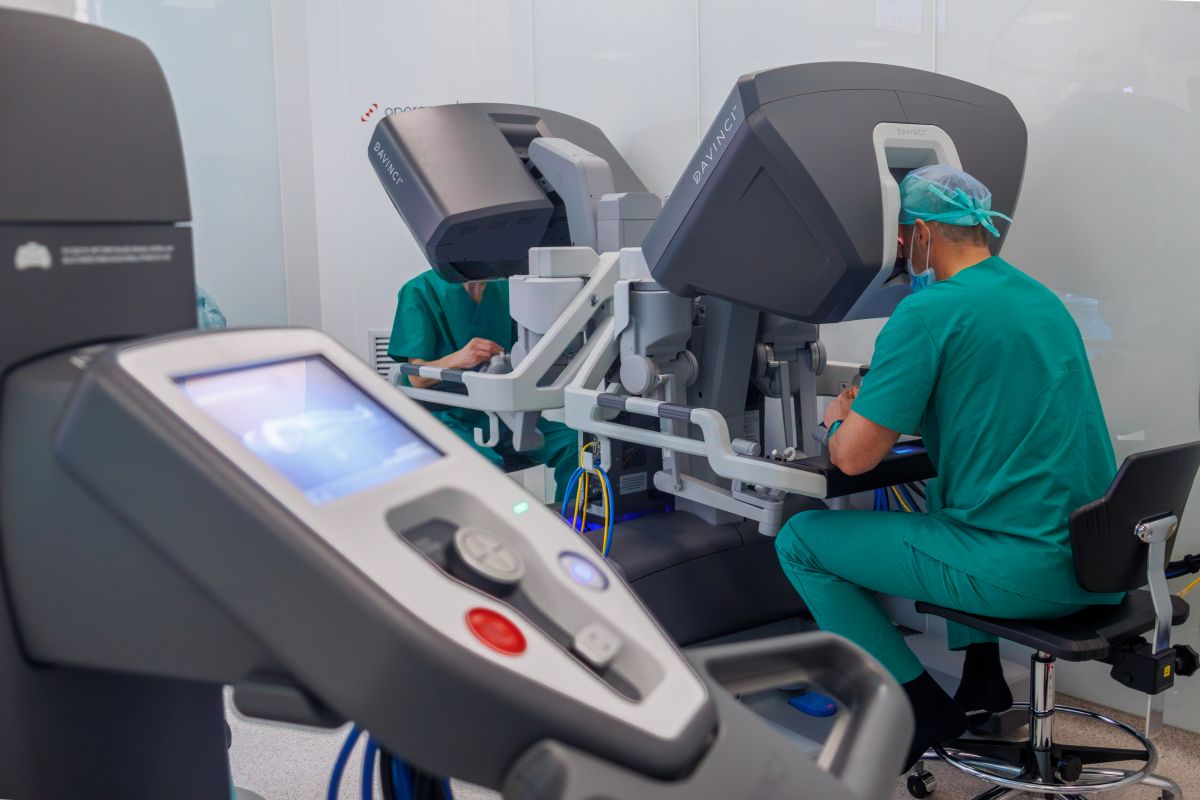
With Da Vinci robot-assisted radical prostatectomy, many patients can return to their usual daily activities significantly sooner, often within approximately 2 to 3 weeks, depending on the individual course of recovery.
Breast augmentation
Return to work may be possible within approximately 1 week, while full recovery can take up to 6 weeks, depending on the patient’s occupation and individual recovery
Hysterectomy
Recovery after a Da Vinci robotic hysterectomy is generally quick. Patients can usually return home after a few days, while full recovery typically takes around 3–4 weeks, depending on the type and extent of the procedure and the individual recovery process.
Recovery Is Not the Same for Every Patient
It is important to distinguish between the different stages of recovery. Returning to everyday activities, going back to work, resuming physical activities, and achieving the surgical outcome may not occur at the same time.
For example, a professional athlete recovering from anterior cruciate ligament surgery may have significantly higher functional demands than a recreational athlete. Therefore, successful recovery should not be assessed solely by the number of weeks or months that have passed, but by the individual achievement of the expected level of function.
What Is Most Important for a Successful Recovery?
The most important factors are proper preparation for surgery, realistic expectations, timely recognition of potential complications, following medical advice, and, when necessary, appropriate rehabilitation.
Note: Recovery timelines should be considered approximate. The exact duration of recovery is determined individually, depending on the type of surgery, the patient’s health status, and the course of postoperative care.

