At Priora, the first four robotic gynecologic surgeries were performed, including a hysterectomy, taking minimally invasive surgery to a new level. Patients recover faster with less pain, and the technology ensures greater precision and greater safety during the procedure. Comparisons with countries such as Sweden show how much room there is for further progress.
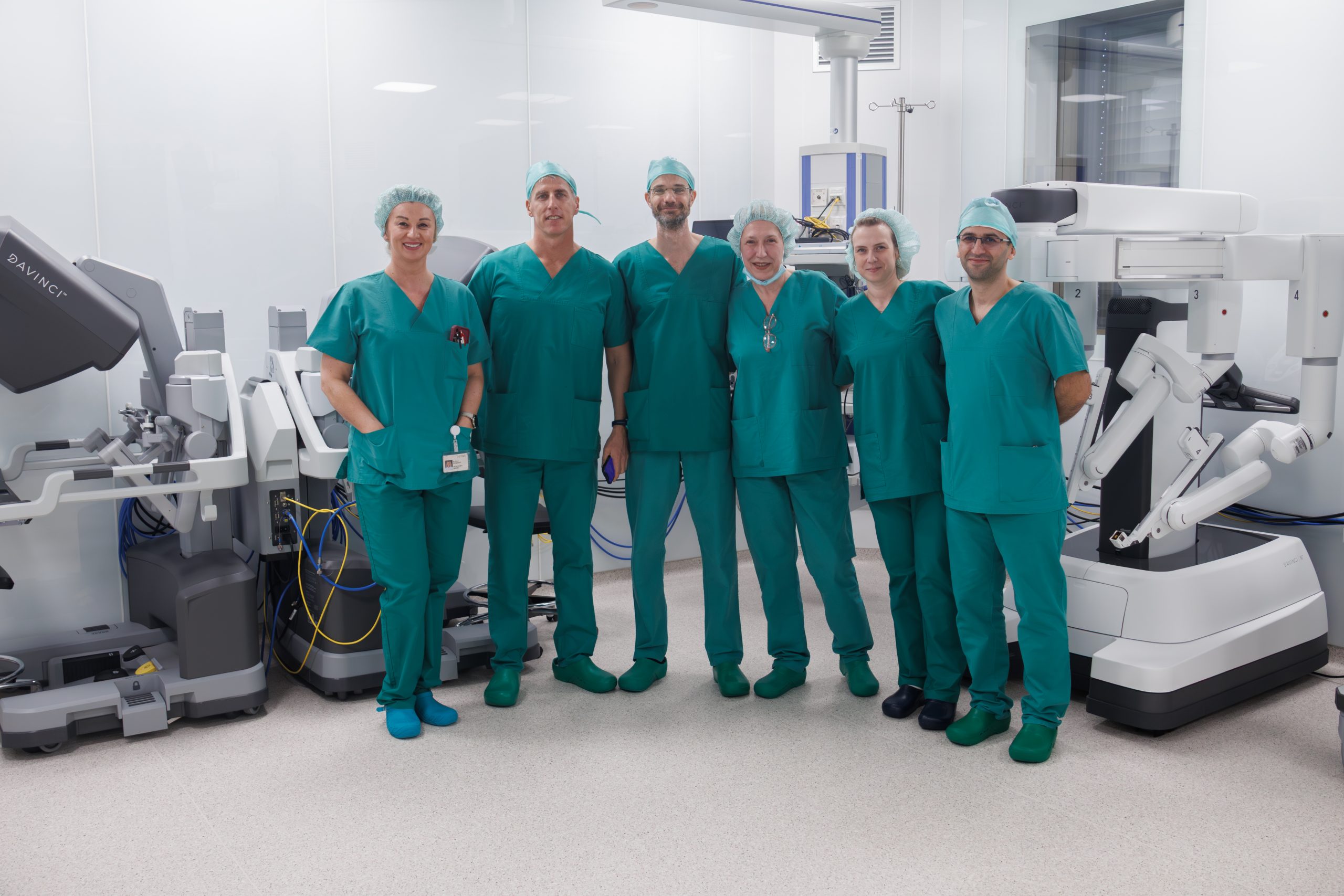
After the first da Vinci robotic surgeries in Croatia were successfully performed in June 2024 at the International Medical Center Priora in Čepin near Osijek, the IMC team has continued with pioneering medical procedures. Last week, the first gynecologic surgeries using the da Vinci robot were carried out, four in total, including a hysterectomy (removal of the uterus). The procedures were performed by gynecologist Dr. Dimitrije Milojković, a subspecialist in gynecologic oncology, under the mentorship of Dr. Balázs Lintner, a gynecologic oncologist from Semmelweis University in Budapest, who has performed more than 300 successful robotic surgeries, mostly on oncology patients.
Up and walking the day after surgery
Ivana Čulić from Čepin became the first patient in Croatia to have her uterus removed robotically. “It was important to me that everything went without complications and that my recovery would be fast. After two previous laparoscopic surgeries, I was recovering for almost a month, with constant pain during the first few weeks. On the second day after the da Vinci surgery, I was walking normally and felt no pain, for which I am truly grateful,” said Čulić.
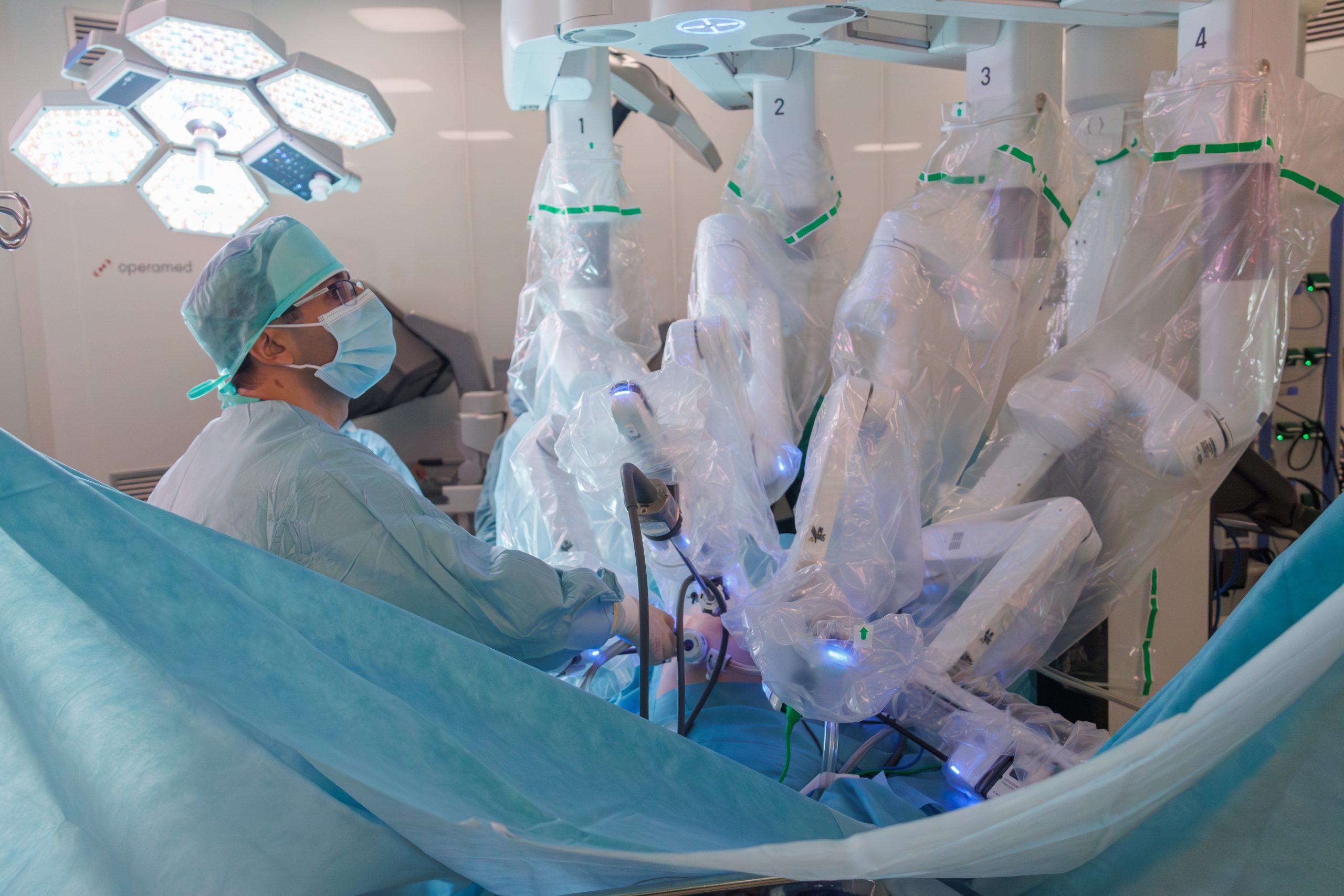
The da Vinci system offers several advantages over open and laparoscopic procedures. “During surgery, the surgeon uses four robotic arms that replicate and enhance the movements of the human hand, with incredible dexterity and a range of motion of up to 540 degrees. The system enables procedures in very confined areas with millimetre precision, minimal bleeding, and a reduced risk of errors,” explained Dr. Dimitrije Milojković.
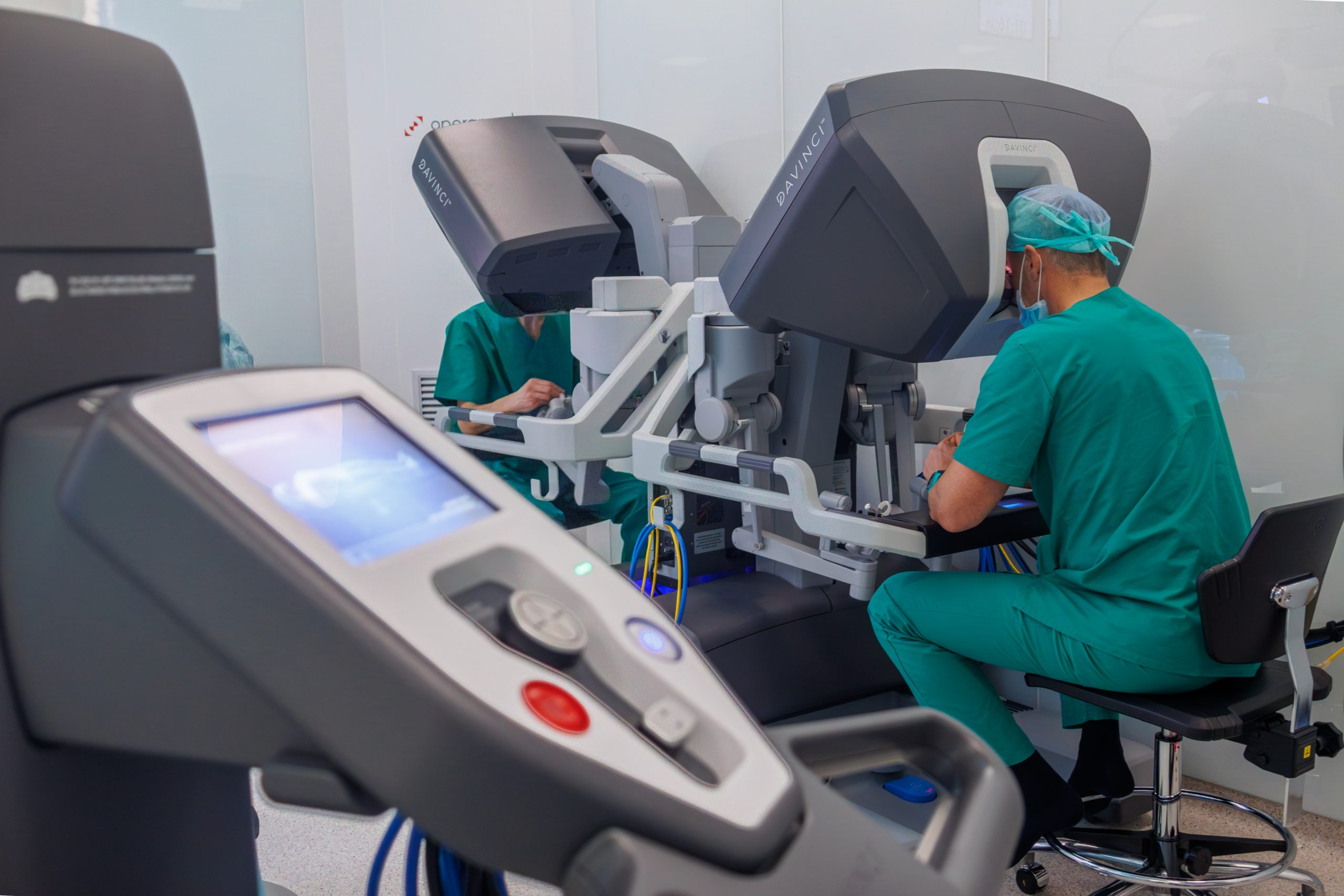
Particularly important is the 3D visualization of tissue, which allows preservation of structures that are otherwise not visible with laparoscopy, especially important for women of reproductive age. For example, in cases of ovarian lesions, it enables less damage to healthy ovarian tissue and helps preserve hormonal health and fertility. Given the age at which women today decide to start a family, it is important to preserve as much healthy ovarian tissue as possible.
Treatment progress is extremely important.
A second patient, 33-year-old Ivana Čulo from Vukovar, after two open surgeries for endometriosis and a Caesarean section, also experienced a fast and safe recovery. “After my previous procedures, recovery was long. This time I was on my feet the same evening, in a good mood and without pain,” she said.
How important and necessary this innovative approach is may be best reflected in the comment of Zorica Martić, President of the Association of Women with Endometriosis: “As an association, we can certainly comment, especially from the perspective of women living with endometriosis and the importance of access to modern, less invasive surgical treatment methods. We believe that opening space for discussion about progress in the treatment of endometriosis is extremely important.”
The Director of IMC Priora, Tomislav Kalem, MD, MSc, highlights the importance of minimally invasive technologies: “People don’t come for a procedure; they come for a return to normality, a body that works again, and a life that doesn’t require constant adjustments. Technology is valuable only if it reduces uncertainty and shortens the path to recovery.”
Robotic procedures enable a faster return to everyday obligations and reduce the postoperative burden, which is crucial for patient satisfaction. “Treatment is the primary goal, but a fast and easy recovery is equally important,” adds Dr. Kalem.
Croatia vs. Sweden: potential for further development
At Priora, the da Vinci system has already been used in prostate and kidney cancer surgeries, with more than one hundred successful procedures in a year and a half. In gynecology, it will be used for the removal of fibroids, the uterus, endometriosis surgery, and oncologic procedures. Dr. Milojković will perform surgeries, and later, Dr. Marko Jovanovac will also perform surgeries.
Robotic gynecologic surgery is common worldwide, while in Croatia, its use is still in its early stages. In 2023 in Croatia, according to the most recently publicly available national source (tables from the health-statistical yearbook), a total of just over 4,000 hysterectomies were performed, specifically 3,138 open and 931 laparoscopic. By comparison, in Sweden, as shown by their national register GynOp, 3,923 hysterectomies were performed with a high share of minimally invasive procedures: 36.2% robot-assisted, 22.5% conventional laparoscopic, vNOTES (9.2%), vaginal (8.3%), and only 23.8% were open surgeries. The comparison clearly shows the potential for further development and broader implementation of advanced surgical technologies in the Croatian healthcare system.

