Although symptoms of ovarian cancer appear even in the early stages of the disease, they often remain unrecognized for a long time because they can easily be mistaken for symptoms of less serious conditions.
World Ovarian Cancer Day is observed on May 8 to highlight the importance of timely recognition and treatment of this disease.
Raising awareness about ovarian cancer and its symptoms among women, but also among physicians, is crucial for timely diagnosis and the earliest possible start of treatment.

According to estimates by the International Agency for Research on Cancer for 2022, ovarian cancer is diagnosed in nearly 314,000 women worldwide each year and is responsible for more than 207,000 deaths.
Symptoms often remain unrecognized for a long time.
According to data from the Croatian Institute of Public Health Cancer Registry, 369 women in Croatia were diagnosed with ovarian cancer in 2023, while 283 women lost their battle with the disease that same year.
It is estimated that there are more than 30 different types of ovarian cancer, with major differences in frequency and prognosis among them.
Although symptoms of ovarian cancer appear even in the early stages of the disease, they often remain unrecognized because they can easily be confused with symptoms of less serious conditions, such as digestive disorders.

• Seventy percent of ovarian cancer cases are detected in an advanced stage of the disease. At that point, the cancer has already spread beyond the female pelvis into the abdominal cavity or distant organs because the disease does not have specific symptoms in its early phase. Hence, women often ignore them as they are not even aware of what such symptoms may indicate. In addition, after having children and caring for them, followed by returning to their careers, women often neglect themselves and their own health, including regular visits to the gynecologist, emphasizes gynecologist Dr. Dimitrije Milojković, subspecialist in gynecologic oncology and head of the gynecology department at IMC Priora.
Preventive examinations are of vital importance
Symptoms that should not be ignored include bloating and a feeling of heaviness in the stomach, loss of appetite, frequent urination, and unintentional weight loss. However, women should not wait for symptoms to appear. Preventive gynecological examinations from an early age are vital.
– From the age of 21, or after becoming sexually active, women should begin regular gynecological and ultrasound examinations once a year. If a close female relative, mother, sister, or daughter has had ovarian or breast cancer, especially at a younger age, or if BRCA1 or BRCA2 gene mutations have been identified, examinations should take place twice a year starting from the age of 30. In cases of suspected disease, tumor markers such as CA 125 and HE4, as well as certain radiological examinations, can also help, says Dr. Milojković.
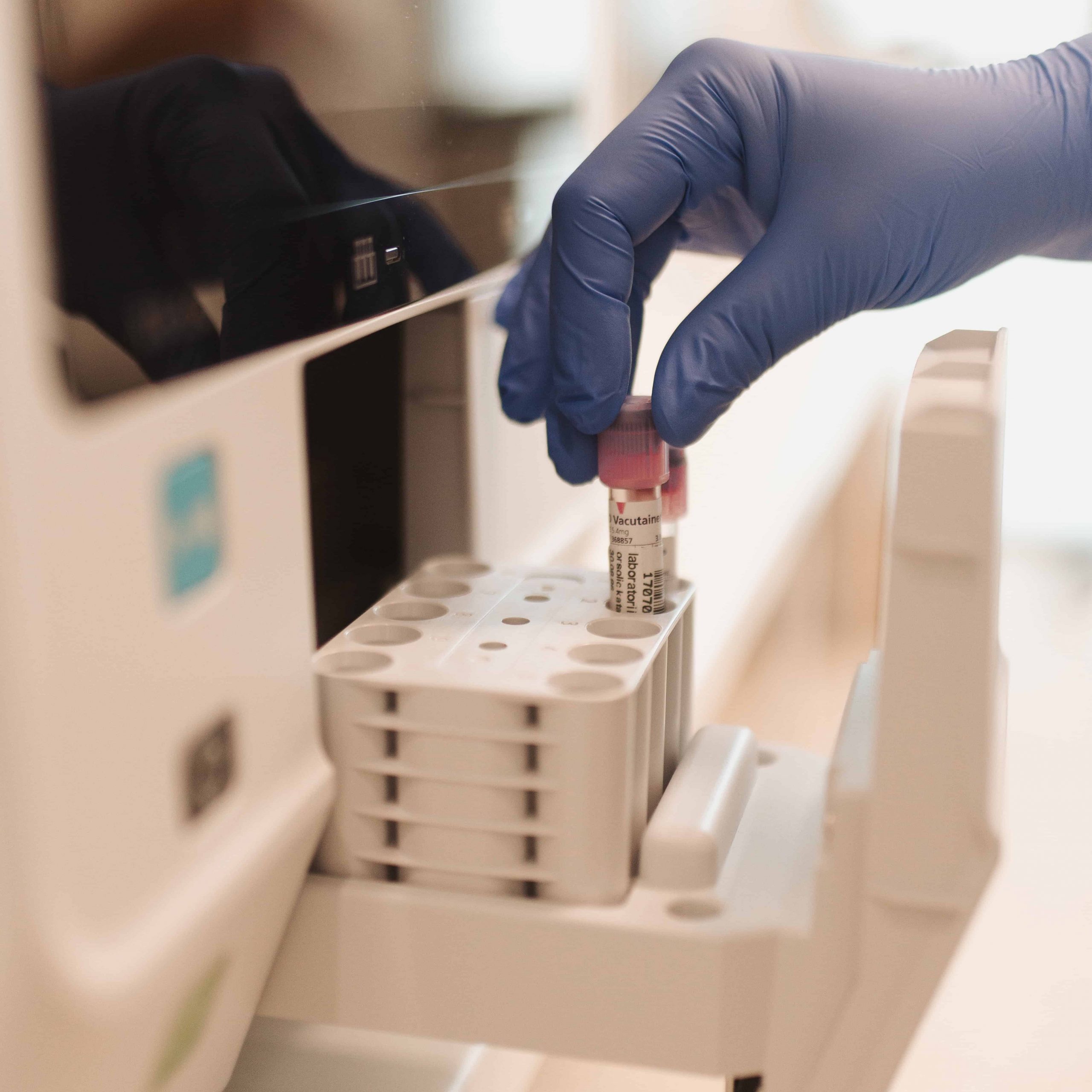
Due to the late detection of the disease, nonspecific early symptoms, and the previously mentioned number of deaths compared to newly diagnosed cases each year, ovarian cancer is often referred to as the “silent killer.”
The five-year survival rate is significantly lower compared to early-stage disease and ranges from 25 to 50 percent. Surgical treatment is demanding and often involves major and mutilating procedures followed by chemotherapy, notes gynecologist Dr. Milojković.
Factors that increase the risk of ovarian cancer include older age, excess body weight, infertility, hormone therapy after menopause, family history of ovarian, breast, or colorectal cancer, certain genetic mutations, and smoking.

