What are allergies?
An allergy is an exaggerated immune response to substances that are usually harmless (e.g., pollen, food, pet dander, etc.).
What are the symptoms of allergies?
Allergy symptoms can range from mild to severe. The most common mild symptoms include a runny nose, sneezing, coughing, skin redness, and digestive issues. In more severe cases, allergic reactions can lead to airway obstruction and may be life-threatening.
Which allergies are most common in spring?
In spring, the most common cause of allergic reactions is plant pollen. When plants bloom, they release pollen into the air, which is carried by the wind and inhaled through the respiratory system (nose, mouth, lungs).
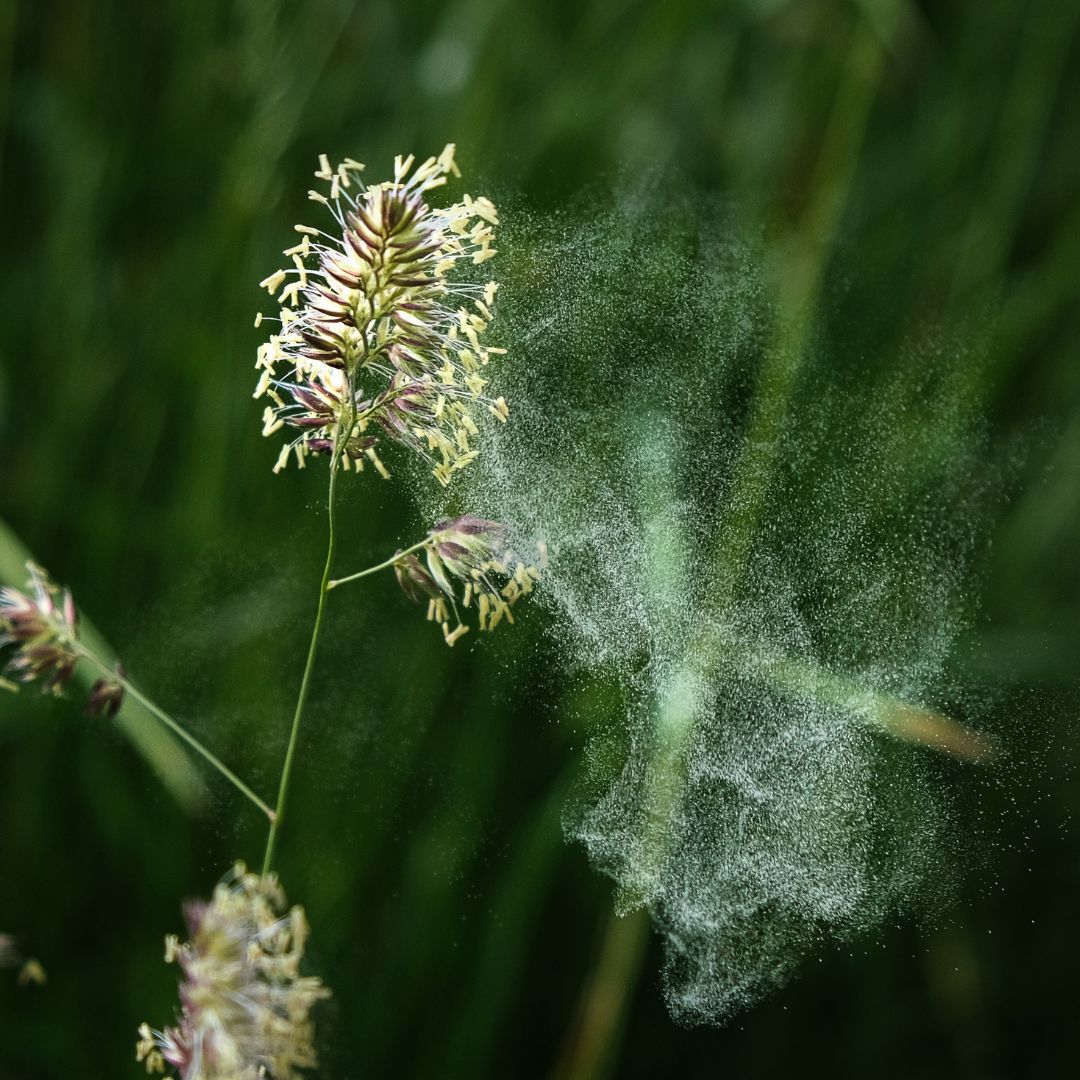
Common symptoms include sneezing, itchy eyes, coughing, and skin redness.
How common are respiratory allergy symptoms?
This varies depending on the study. Some research suggests that up to 15% of the population has a diagnosed respiratory allergy, while overall prevalence may be around 30%. This depends on age (children are more prone), gender, location, lifestyle, and genetics.
It is important to note that one study found that 3.6% of adults took sick leave due to allergy-related nasal symptoms, with 36% reporting reduced work productivity.
What is a pollen calendar?
A pollen calendar shows when specific plants release pollen throughout the year. This depends on the type of plant, location (e.g., mountains, coastal areas, or regions like Slavonia with abundant vegetation), and the timing of peak flowering.
Which plants release pollen in spring in Slavonia?
Cypress, ash, poplar, willow, birch, grasses, and plane trees.
Which conditions are associated with seasonal allergies?
Seasonal allergies are often associated with symptoms such as a runny nose, breathing difficulties, and skin reactions.
Which specialists at IMC Priora treat allergies?
At IMC Priora, a multidisciplinary team works together to determine the best treatment for each patient. For spring allergies, pulmonologists (respiratory specialists) and internal medicine specialists are particularly involved.
What allergy tests are available at IMC Priora?
Blood testing includes the ALEX 2 test, which can detect up to 295 allergens.

These include grass and weed pollens (e.g., Bermuda grass, ryegrass, reed, mugwort, hemp, plantain, nettle) and tree pollens (e.g., cypress, ash, birch, poplar, willow). The test covers the most common allergens in Slavonia and beyond. In addition to ALEX 2, total Immunoglobulin E (IgE) testing is also available. These tests can also detect other allergens such as food, dust mites, insect venoms, and more.
What if you experience shortness of breath, coughing, or wheezing in spring?
In such cases, asthma should always be considered as a possible cause.
How is asthma diagnosed?
Asthma is diagnosed by a pulmonologist using various lung function tests, followed by appropriate treatment.

Which lung function tests are available at IMC Priora?
Spirometry, diffusion capacity for carbon monoxide (DLCO), FeNO testing, and bronchodilator (Ventolin) test. Cardiology evaluation is also available, as some respiratory symptoms may be related to heart conditions.
What treatment options are available at IMC Priora?
Once an allergy is diagnosed, treatment is tailored to the patient and their symptoms. Most commonly, antihistamines are prescribed to relieve symptoms, while inhalers are used for respiratory issues.
If you experience an allergy or breathing difficulties, timely diagnosis is key.
Take control of your allergies.

