Nocturnal urination (nocturia) is one of the most common urinary symptoms and at the same time one of the most bothersome for patients. Many patients forget to mention nocturia to their doctor or mistakenly believe that it is simply a regular part of aging. There are numerous causes of increased urination, ranging from higher fluid intake to medical conditions that can lead to excessive urinary frequency.
Which medications and drinks can cause frequent urination?
Medications that increase urination (diuretics), caffeine, alcohol, teas, and energy drinks can intensify the need to urinate. Medicines for high blood pressure often contain combinations of several active substances, including diuretics.

Some conditions may cause increased thirst and, consequently, increased urination. The most important among them are diabetes mellitus, kidney damage, psychological factors, and certain brain disorders.
Which urinary tract conditions can cause frequent urination?
These include urinary stones, prolonged catheter use, enlarged prostate, bladder infections, post-radiation conditions, bladder and prostate tumors, prostate inflammation, vaginal issues (such as vaginal prolapse), and post-surgical conditions within the urinary tract. It is crucial to identify the correct cause promptly, as some of these conditions can be serious and very uncomfortable.
Diagnosis of nocturnal urination at IMC Priora
At IMC Priora, extensive diagnostic evaluation for frequent nocturnal urination is available. It is possible to diagnose and treat causes not originating in the lower urinary tract, such as diabetes mellitus and kidney impairment, as well as to perform urological and gynecological examinations to assess the lower urinary tract in both men and women. Quality sleep is essential for both mental and physical health. More than 50% of men over the age of 50 show signs of an enlarged prostate (BPH), and the incidence increases with age.

A urological examination at IMC Priora can include an ultrasound of the prostate to determine whether it is enlarged or if any irregular growths (suspected tumors) are present. This is done through a painless ultrasound examination, and prostate tumor markers (PSA) can also be taken. If an abnormality or potential tumor is detected, further complete diagnostics and treatment are available.
Robotic surgery at IMC Priora – Mona Lisa and Da Vinci
After detecting a lesion and elevated PSA levels, a prostate biopsy may be recommended. The Mona Lisa Dx Biobot represents a technological breakthrough in urology, especially in the early detection of prostate cancer. This advanced robotic biopsy system combines magnetic resonance imaging (MRI) and real-time ultrasound, enabling highly precise fusion biopsies.
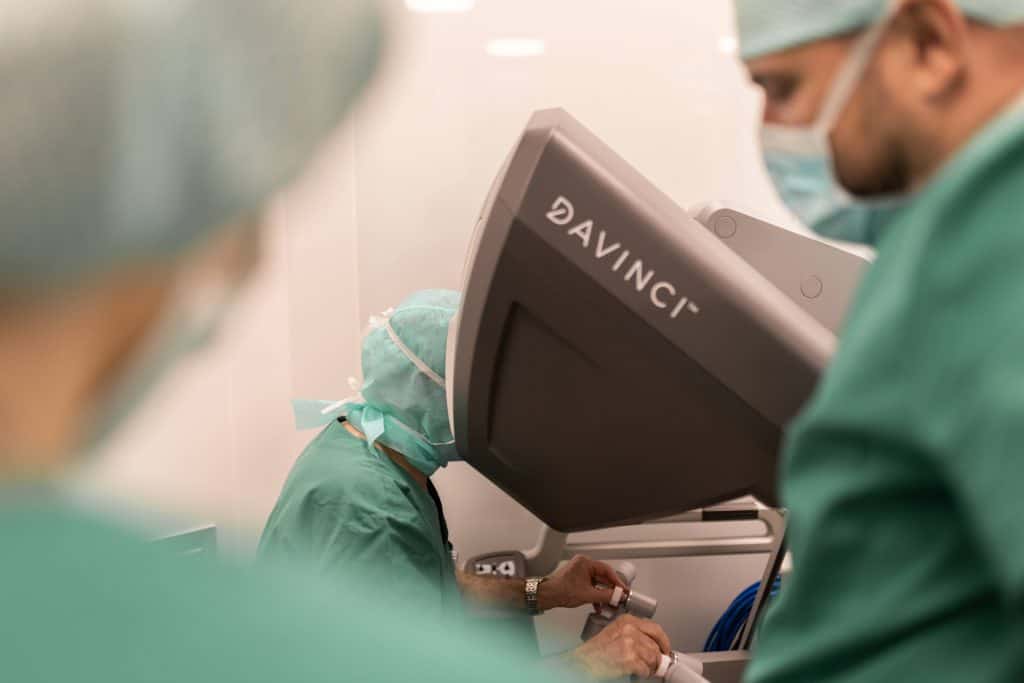
If surgery is needed, robotic prostate surgery can be performed using the latest Da Vinci robotic technology. This method allows for faster recovery, fewer complications, and greater precision than conventional surgical techniques.
Reservation and contact
For additional information or inquiries, patients can contact us at [email protected] or by phone at +385 31 227 400. We are located at Kralja Tomislava 153, 31431 Čepin, where our expert team awaits you.

