Who is an orthopaedic specialist, and when is an orthopaedic examination needed?
An orthopaedic specialist is a physician trained to diagnose and treat injuries and conditions of the musculoskeletal system (bones, muscles, joints, and ligaments).
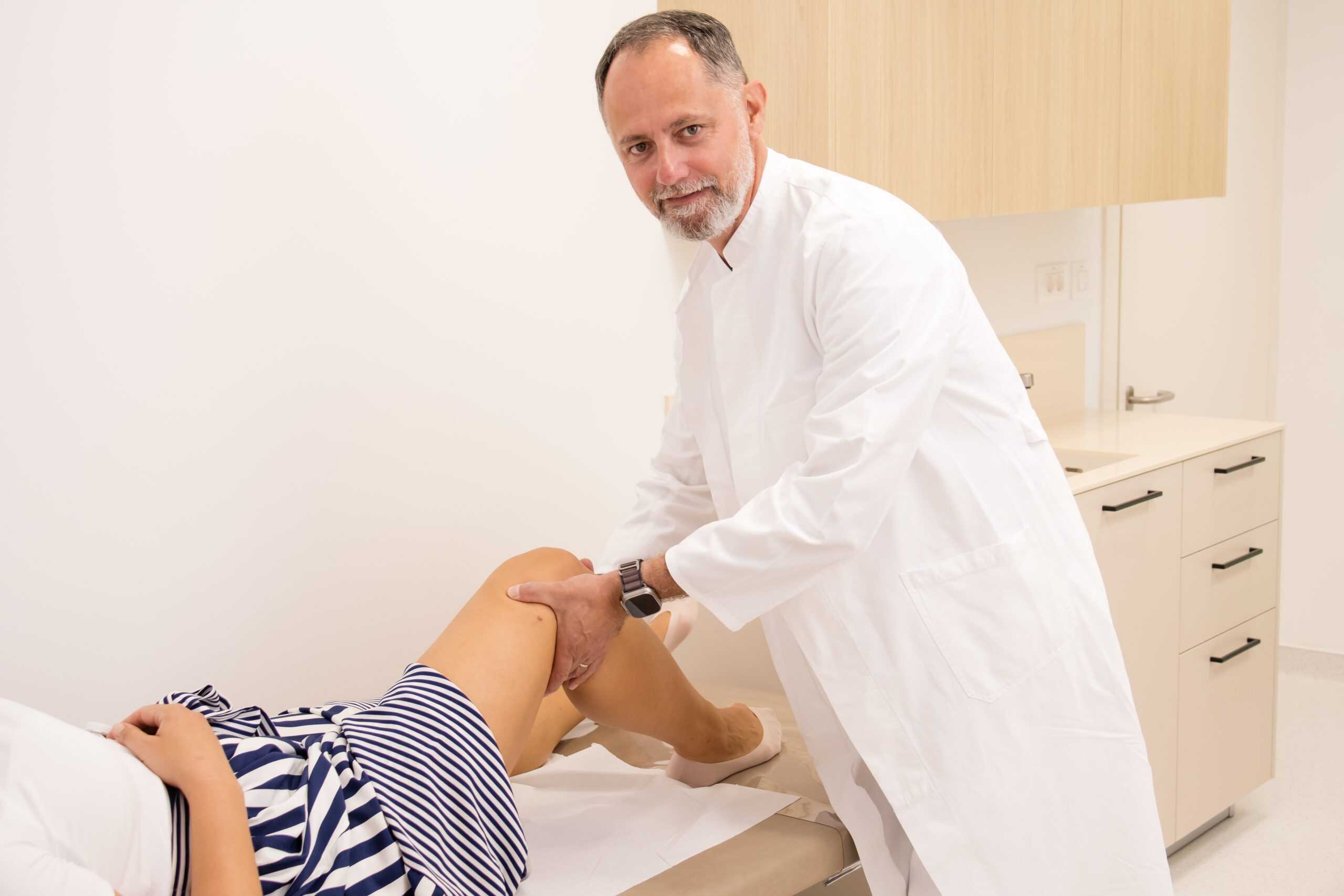
An orthopedic examination is most often required for joint pain, joint swelling, growths or lumps, evaluation of fractures, sprains, and dislocations. The type of sports injury varies depending on the sport, the athlete’s sex, and whether the injury occurred during training or competition.
What is the difference between an orthopaedist and a physiatrist?
An orthopedist is needed when the injury may require surgical treatment. At the same time, a physiatrist (a specialist in physical medicine and rehabilitation) plans physical therapy for conditions that can be improved with exercise and physiotherapy. The physiatrist collaborates closely with a physiotherapist, who carries out the prescribed treatment.
How are sports injuries and damage assessed?
To determine the exact cause of the problem, evaluation always begins with a detailed discussion about how the injury occurred. It is essential to know whether it resulted from a high-speed fall (e.g., skiing) or a simple ankle twist during walking or light running. Past injuries, general health status, possible overtraining, nutrition, and the use of supplements also play significant roles.

After the interview, the orthopedist conducts a physical examination. Various tests are performed to help identify the type of injury and whether further diagnostics or treatment are necessary. Based on the evaluation, the orthopedist may recommend MRI, musculoskeletal ultrasound, CT, arthroscopy, or X-ray imaging.
What treatment options for sports injuries are available at IMC Priora?
IMC Priora offers both operative and non-operative treatment of sports injuries. The approach is always tailored to the patient to achieve the best possible outcome with minimal discomfort and the fastest recovery.
Standard surgical procedures include: total hip replacement, total knee replacement, shoulder surgery, anterior cruciate ligament (ACL) reconstruction, treatment of meniscus injuries, and other methods as indicated by the orthopedic specialist. When possible, non-operative treatment is preferred, aiming to reduce strain on the patient and facilitate a quicker return to daily activities.
Which non-surgical techniques are available at IMC Priora?
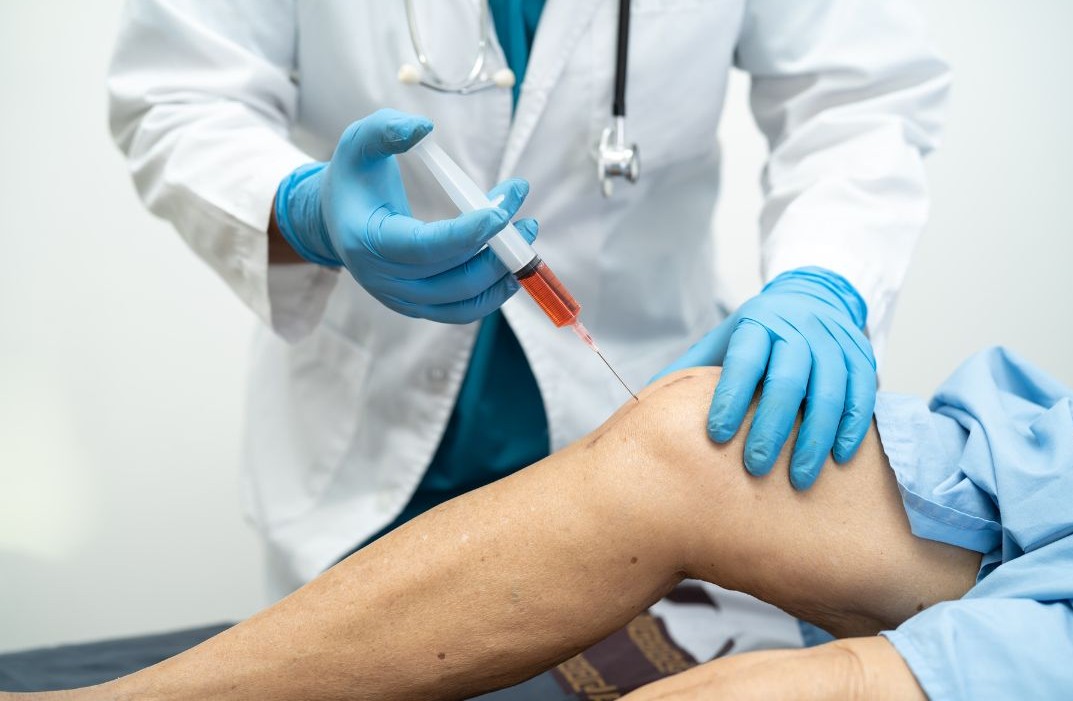
Available non-operative treatments include corticosteroid injections (“blockade”), hyaluronic acid injections, and PRP.
– What is a “blockade”? A blockade is a technique in which medication is injected into the joint to reduce pain.
– How is hyaluronic acid used in orthopaedics? Hyaluronic acid is used for conditions such as knee osteoarthritis to reduce pain and potentially delay the need for total knee replacement (TKR).
– What is PRP, and how is it used in orthopaedics? PRP (Platelet-Rich Plasma) is a product derived from the patient’s own blood. It is used for: injury recovery, delayed wound healing, muscle and ligament injuries, tendon damage, cartilage disorders, osteoarthritis, and some nerve injuries.
Prevalence of sports injuries – what research shows
In football, injuries during matches are up to 10 times more common than during training. The most frequently affected areas are the lower extremities — thighs, knees, ankles, and feet — with muscle and tendon injuries being the most common, often caused by impact or sudden movement.
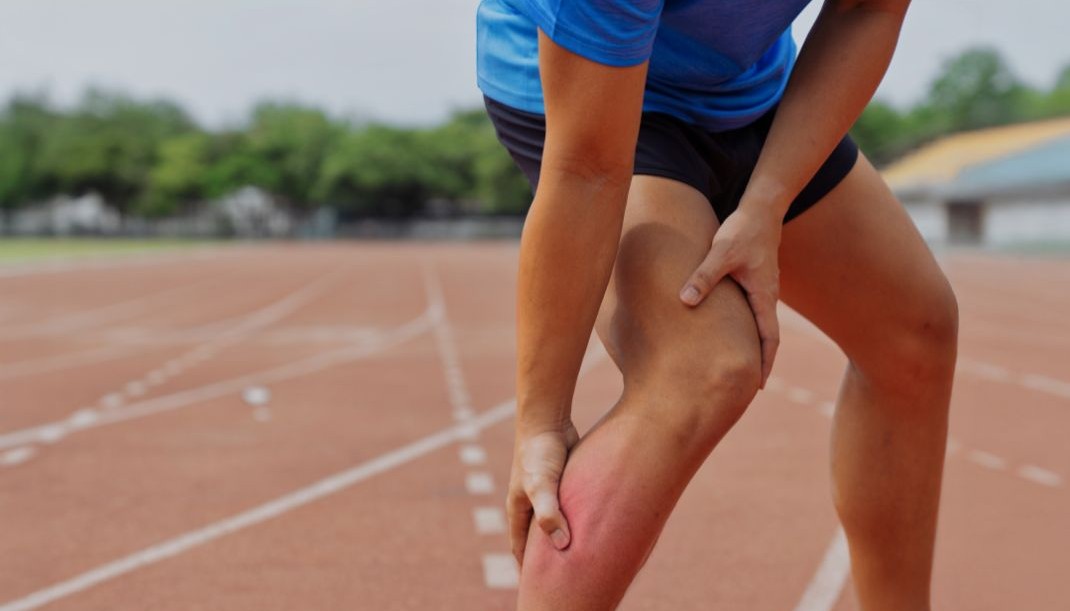
Among runners, the most frequently affected regions are:
- knee – 28%
- foot and ankle – 26%
- lower leg – 16%
Prevalence of Sports Injuries – What Research Shows
In football, injuries during matches are up to 10 times more common than during training. The most frequently affected areas are the lower extremities — thighs, knees, ankles, and feet — with muscle and tendon injuries being the most common, often caused by impact or sudden movement.
There are also sex-based differences: women more often sustain knee injuries, while men more frequently injure the foot, ankle, and lower leg. Common diagnoses include patellofemoral pain syndrome (17%), Achilles tendinopathy (10%), and medial tibial stress syndrome (8%).
In volleyball, studies show that university-level athletes have injury rates three times higher than those of high school players. The ankle is the most frequently injured site, commonly due to landing on another player’s foot.
Risk factors include older age, previous injuries, height, body weight, higher competition frequency, and certain playing positions (e.g., libero).
A higher proportion of injuries among women is mainly due to their greater representation in the sport.

