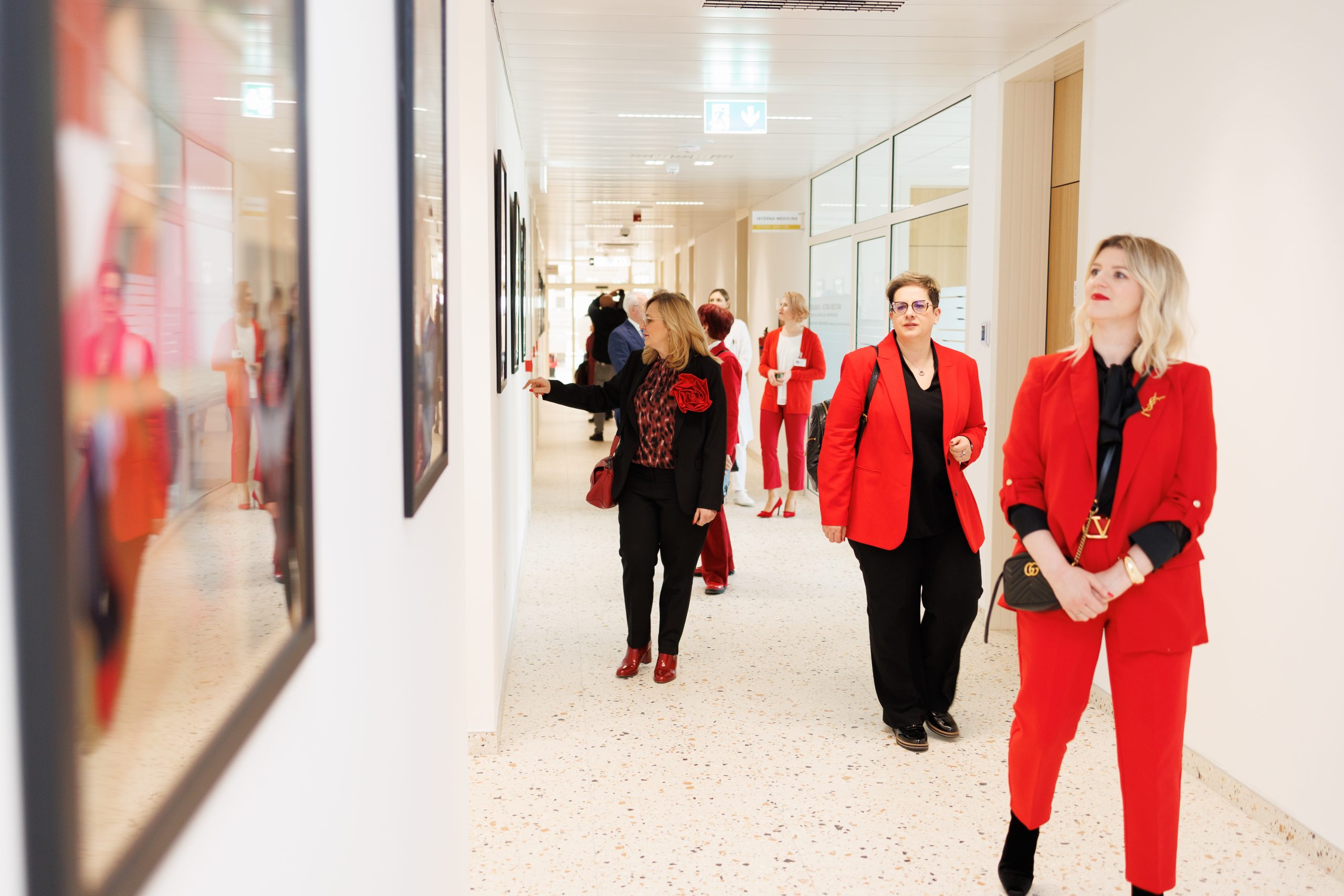
For eight years now, the first Friday in February has been marked by the colour red and the fight against stroke in women. Red Dress Day is a national public health campaign that draws attention to the specific features of stroke in women, the importance of prevention, and above all, the timely recognition of symptoms and an urgent response.
Stroke and Risk Factors
A stroke is a sudden neurological disorder caused by a disruption in cerebral circulation. When blood flow is reduced or interrupted, parts of the brain are deprived of sufficient oxygen and nutrients. This can lead to damage and often the death of nerve cells, resulting in permanent or temporary loss of functions controlled by the affected brain areas.
Depending on the cause, there are two main types of stroke. An ischemic stroke, which is also the most common, occurs due to a blockage in a blood vessel supplying the brain. A hemorrhagic stroke, on the other hand, occurs when a blood vessel in the brain ruptures, leading to bleeding into brain tissue.
There is a long list of risk factors associated with stroke, including smoking, an unhealthy diet, physical inactivity, obesity, increased alcohol consumption, high blood pressure, elevated cholesterol, diabetes, and heart disease.
Dr. Aleksandar Kibel on the Link Between Stroke and Heart Disease
“Stroke is closely linked to heart disease because certain cardiac conditions, such as atrial fibrillation, can directly lead to its development. In such cases, a blood clot may form in the heart and travel through the bloodstream to the brain, causing an ischemic stroke. In addition, various structural and functional heart diseases can contribute to impaired circulation and increase the risk of stroke,” explains Associate Professor and Primarius Aleksandar Kibel, MD, PhD, specialist in internal medicine, subspecialist in cardiology, and Head of Internal Medicine and Cardiology at IMC Priora.
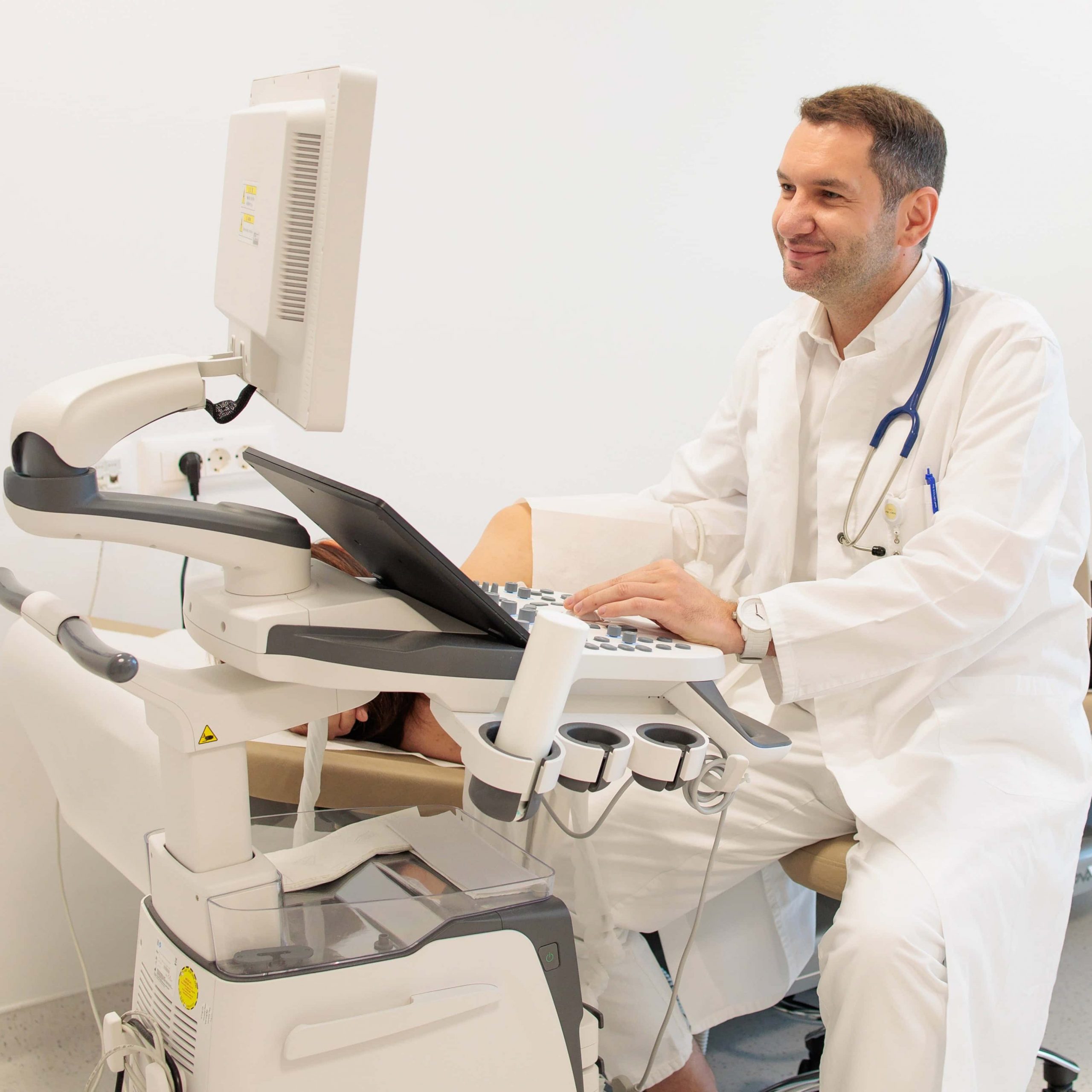
“Arterial hypertension also plays an important role. It is one of the key risk factors for cardiovascular disease, while simultaneously significantly increasing the risk of stroke. Alongside hypertension, hyperlipidaemia and other cardiovascular risk factors further contribute to blood vessel damage and the development of cerebrovascular events,” Primarius Kibel continues.
Risk also increases with age, and family predisposition and sex play a role as well. Not only is stroke more common in women, but its symptoms may also differ.
How to Recognize Stroke Symptoms in Women
The most common stroke symptoms appear suddenly and include: sudden numbness, weakness, or paralysis of the arm, leg, or face; sudden speech difficulties trouble understanding, speaking, or loss of speech; sudden blurred vision or loss of vision; a sudden severe headache that may be accompanied by nausea or vomiting; dizziness; sudden difficulty walking, unsteadiness, or veering while walking.
When it comes to stroke symptoms in women, they are often more specific, which makes them harder to recognize and, ultimately, to respond to. These specific symptoms include: general weakness, loss of consciousness or fainting, shortness of breath, confusion, unresponsiveness or disorientation, agitation, a sudden change in behaviour, nausea or vomiting, pain, hallucinations, and hiccups.
Precisely because stroke symptoms in women can be diverse and often non-specific, raising awareness and education play a key role in reducing mortality and long-term consequences. Timely recognition of stroke warning signs and a rapid response can save a life and preserve quality of life. At the same time, regular control of risk factors, especially blood pressure and heart disease, can prevent a significant proportion of strokes.
Red Dress Day is therefore not only a symbol, but also a powerful reminder of the importance of taking care of one’s health, recognizing warning signs, and acting promptly because when it comes to stroke, every minute matters.

