Women who enter postmenopause earlier, especially if they are smokers and leaners, face a significantly increased risk of developing osteoporosis and later pathological fractures and permanent disability, explains Dr. Jovanovac
Menopause, or postmenopause, is a natural phase in every woman’s life, marked by the gradual cessation of the menstrual cycle and changes in hormone levels. Although it is a normal physiological process, its accompanying symptoms can significantly affect quality of life. During a consultation, a doctor in a white coat points with a pen to anatomical details on a pelvic model.

Timely professional support and an individualised approach are essential for preserving health and well-being during this period. Dr. Marko Jovanovac, gynaecologist at IMC Priora, explains how to manage the challenges of postmenopause.
What are menopause and postmenopause?
Menopause refers to the final menstrual period, and once twelve months have passed without another period, the diagnosis of postmenopause can be made retrospectively. While it is commonly said that a woman has “entered menopause,” gynaecologists use the term postmenopause to describe this stage. It typically occurs between the ages of 45 and 52.
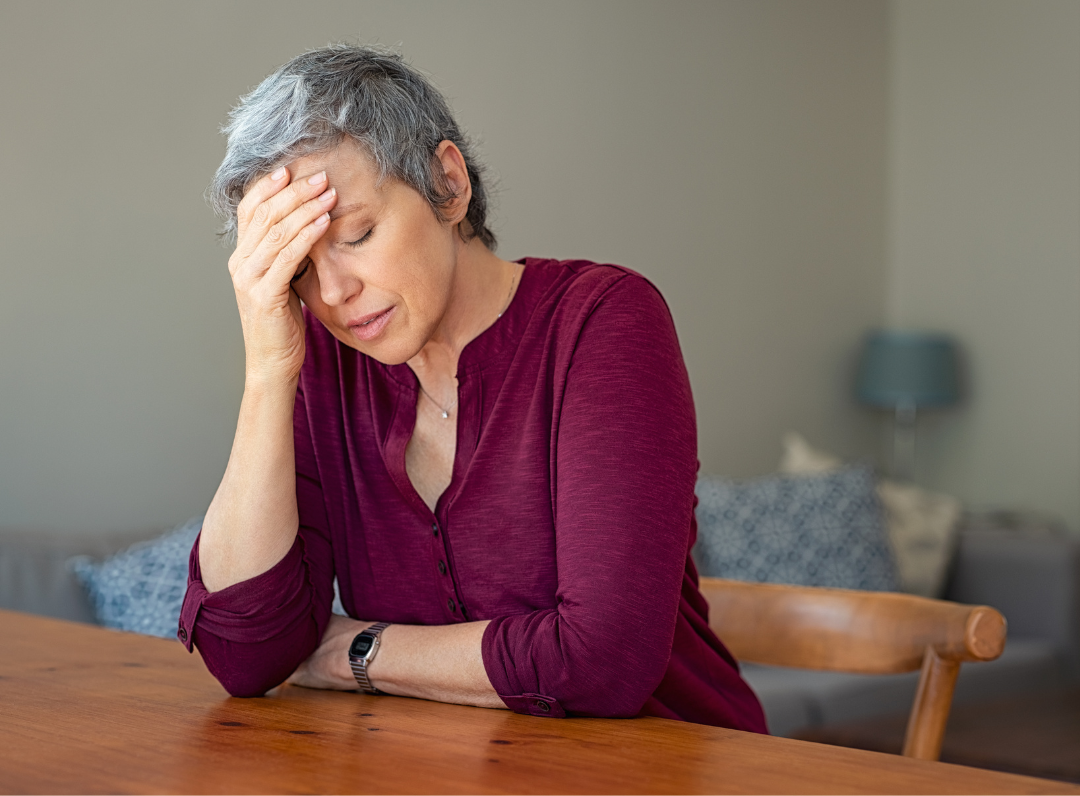
If menstruation stops before the age of 40, this is known as premature menopause, which requires hormone replacement therapy due to additional risks, such as osteoporosis and cardiovascular diseases. Female sex hormones, like male hormones in men, are necessary not only for reproduction but also for numerous metabolic functions, including bone formation.
What are the risks of early postmenopause?
Women who enter postmenopause in their early forties, particularly those who smoke and have a lower body weight, are at significantly increased risk of osteoporosis and, later in life, pathological fractures and permanent disability. To prevent this, hormone replacement therapy is used when appropriate, after excluding specific contraindications such as liver, heart, or vascular disease.
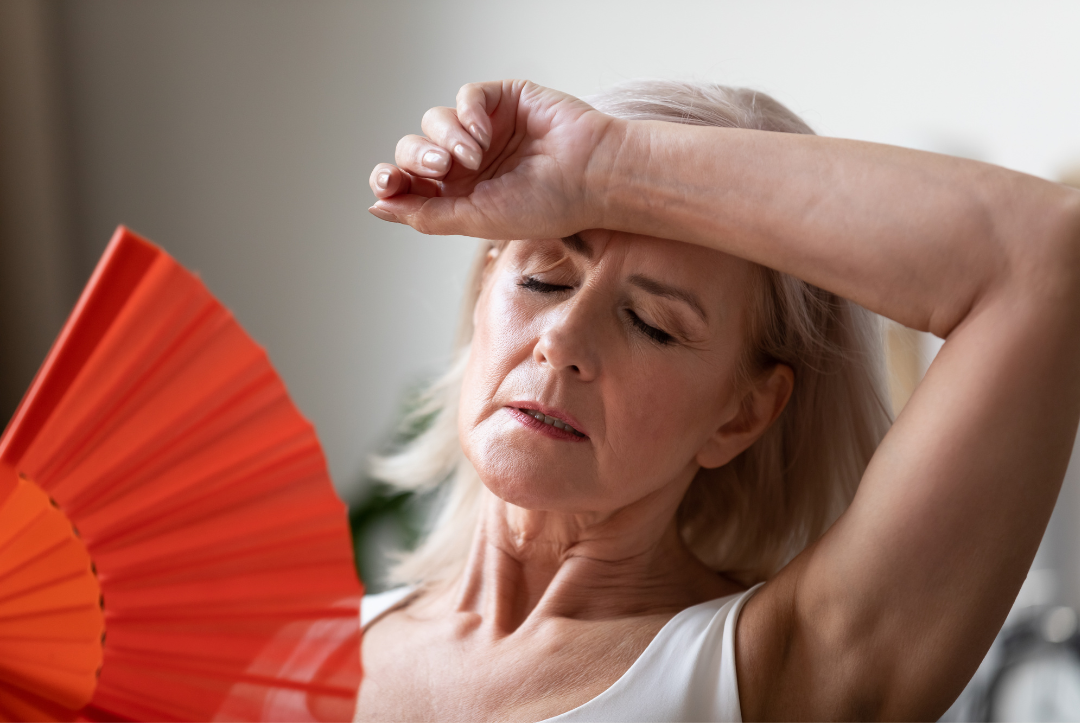
If they experience symptoms such as hot flushes, insomnia, or reduced concentration, especially while still professionally active, specific treatments can be offered that act in two ways:
– rapidly alleviating symptoms within one to two months;
– providing long-term protection against osteoporosis, urogenital atrophy, and cardiovascular diseases such as heart attack and stroke.
How are stroke and heart attack risks connected to postmenopause?
Before the age of 50, women rarely experience heart attacks or strokes, far less frequently than men. Between ages 50 and 60, the risk becomes almost equal, and after age 65, women face an even greater risk of stroke and stroke-related mortality. This is partly attributed to hormonal changes, highlighting the protective role of estrogen. Estrogen positively influences blood lipids, including cholesterol, and exerts protective effects on the vascular endothelium. Its decline in postmenopause is significant but can be compensated for with hormone therapy. Due to various factors, including limited awareness among both the general population and healthcare providers, the use of hormone replacement therapy in postmenopausal women is significantly lower in our region compared to Western countries.

