The latest data confirm that the situation is similar in Croatia as well, even at the earliest ages. According to the results of the most recent round of the COSI study, which is also the first to cover the COVID-19 pandemic period, in Croatia, every third child (36%), and in Europe, every fourth child (25%), has excess body weight or obesity.
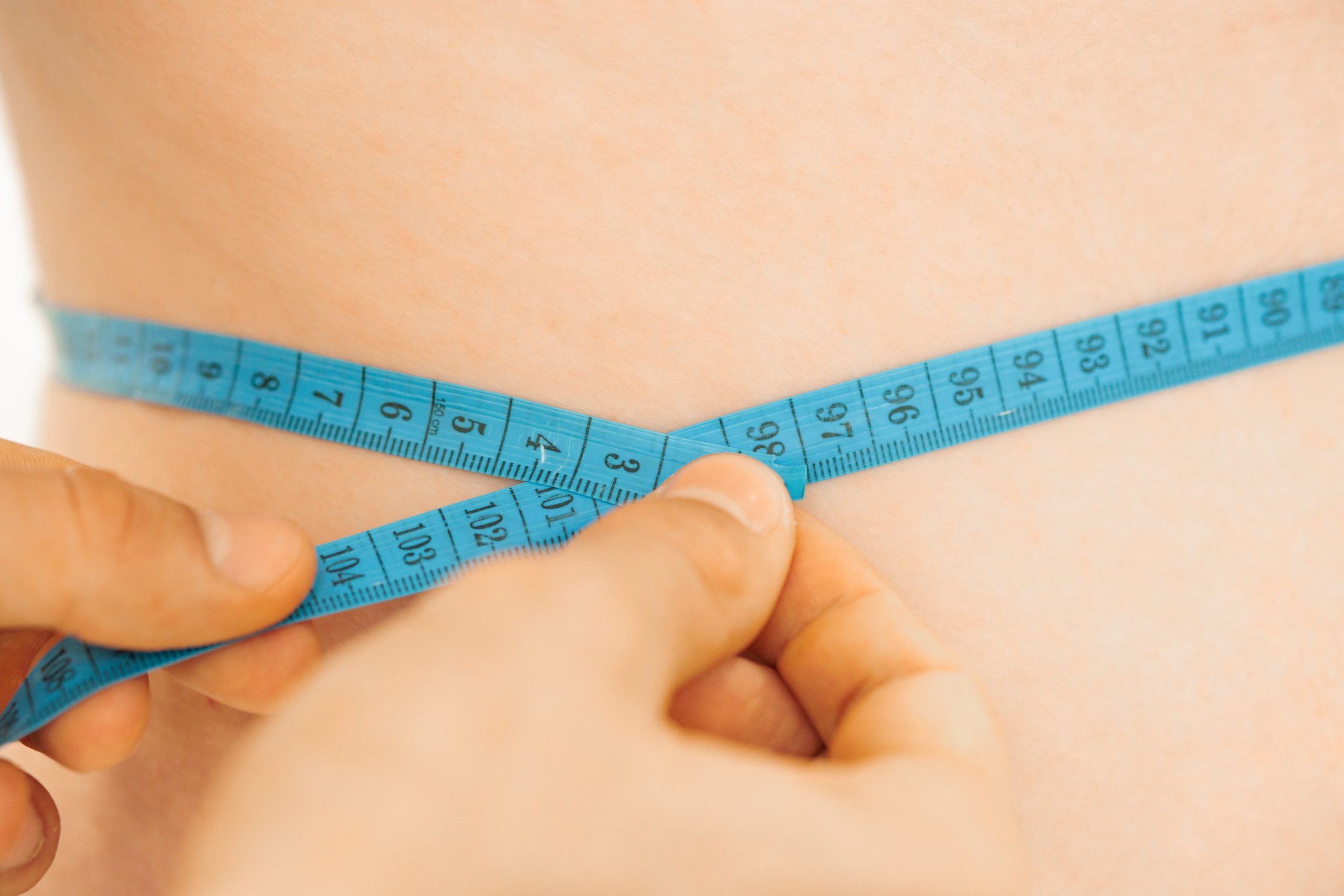
Obesity must be addressed from multiple angles. It is not a single issue, but a set of interconnected factors that form a “puzzle” leading to excess body weight.
What should you pay attention to?
- Psychotherapy and social support – relationship with food
- Healthy nutrition
- Physical activity
- Ruling out diseases that occur alongside obesity or may be its cause
- Medication and/or surgery
Why should obesity be treated?
By losing weight, you reduce the load on your joints, which reduces pain in your lower back, hips, knees, and ankles. Joints wear out less because they no longer need to support excessive weight—higher body weight contributes to joint damage.
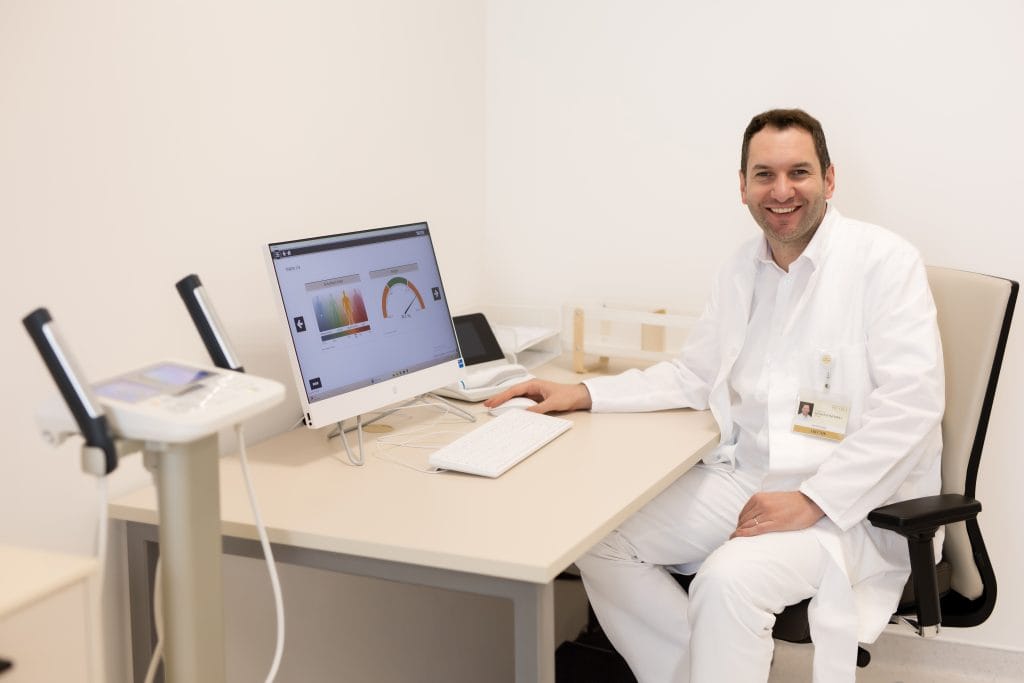
In addition to joint damage, obesity is associated with other conditions: infertility, polycystic ovary syndrome, kidney stones, urinary tract infections, cancer, heart disease, high blood pressure, stroke, type 2 diabetes, fatty liver (which can also lead to liver cirrhosis), sleep apnea, and more. The risk of conditions such as high blood pressure, heart disease, and stroke may be 2 to 3 times higher.
Practical tips that can help you reduce body weight starting today
Mindset
a) Self-monitoring:
This is one of the key elements of behavioral therapy. Self-monitoring includes keeping a food diary and tracking physical activity. In the food diary, the participant records everything they eat, their calorie intake, and the circumstances in which they consume food. Keeping a diary during the first six months is associated with greater success in weight loss. Even in studies comparing placebo and pharmaceutical medications, individuals who tracked their food intake lost twice as much weight as those who did not.
b) Stimulus control:
Changing an environment that encourages food intake and adapting it to avoid overeating. Stimulus control includes careful planning of grocery shopping and avoiding high-calorie, processed foods. Other methods include: reducing portion sizes, using smaller plates and bowls, giving meals full attention without distractions (such as watching TV or reading), and eating while seated rather than on the go.
c) Eating slowly:
Slowing down allows the feeling of fullness to register. Techniques include focusing on flavors, taking pauses between bites, and drinking water during meals.
Nutrition
Avoid strict restrictions (or apply them only under medical supervision). When the goal is weight loss, many options can suit different individuals. You can always keep your existing eating habits and reduce calorie intake. Of course, if you want to take full advantage of healthy nutrition, it is essential to focus on choosing certain foods rather than just counting calories. The range of balanced dietary patterns, tailored to individual needs, is broad enough to accommodate diverse preferences, tolerances, life circumstances, and sociocultural traditions.
An example of a successful diet: the DASH diet
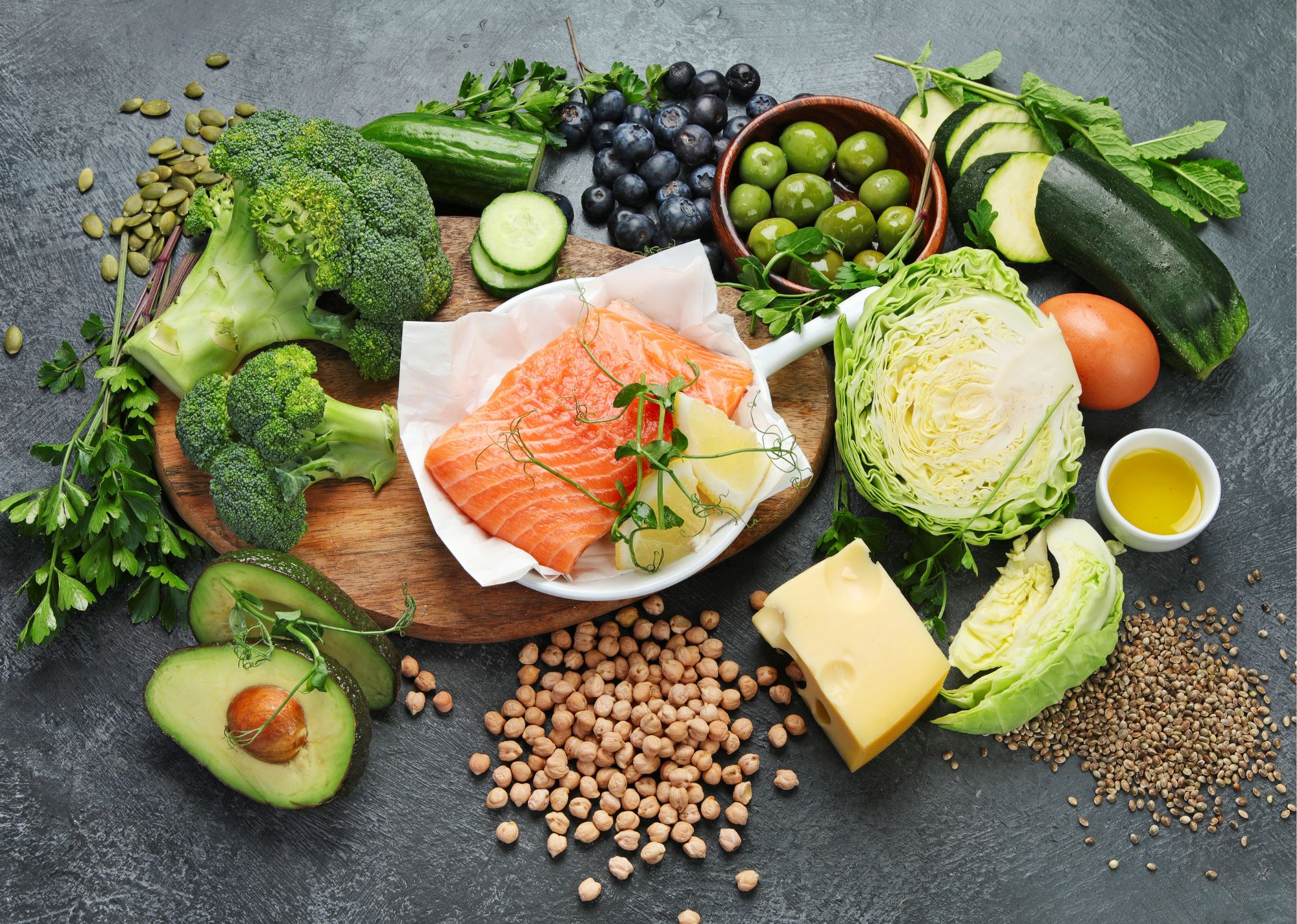
The DASH diet (Dietary Approaches to Stop Hypertension) limits intake of fatty meats, sweets, and sugary drinks, and emphasizes a high intake of vegetables, fruit, whole grains, and fish. It has been shown to reduce body weight, body mass index (BMI), and waist circumference. An analysis of 13 studies found an average weight loss of 1.42 kg, a reduction in BMI of 0.42 kg/m², and a decrease in waist circumference of 1.05 cm, with study durations averaging 8-52 weeks. Healthy selection: salmon, broccoli, avocado, cabbage, cucumber, olives, blueberries, chickpeas, cheese, seeds, and olive oil.
Physical activity
The importance of exercise is clearly demonstrated by numerous studies and meta-analyses showing that people with obesity who have high cardiorespiratory fitness have a lower risk of all-cause mortality compared with people of normal body weight who lead a sedentary lifestyle. About 300 minutes per week of moderate-intensity activity or 150 minutes of higher-intensity activity is sufficient to mobilize visceral fat (loss of “harmful” kilograms). Physical activity can be divided into several shorter segments of at least 10 minutes to have a metabolic effect. The general recommendation for the population is at least 150 minutes per week of moderate aerobic activity, equivalent to walking at 5–6 km/h. Playing sports is not necessary.
Recommended tests
- Blood pressure measurement
- Cardiovascular risk assessment
- Abdominal ultrasound and fatty liver evaluation
- Thyroid hormones
- HbA1c and fasting blood glucose
Obesity treatment
The well-known “Ozempic”—in discussion with a physician, after all the above steps have been completed, pharmacotherapy may be considered for specific individuals, and in some cases, surgical treatment as well. Therefore, seek support from the IMC Priora team. Internal medicine at IMC Priora is dedicated to the treatment of obesity, applying the most advanced methods and technologies. Through a multidisciplinary approach, we provide precise diagnostics, individualized therapies, and continuous support to help patients achieve a healthier body weight and improve overall health.

