A part of the therapy focuses on treating endocrinopathies, while another approach is surgical treatment, explains gynecologist Dr. Marko Jovanovac.
Infertility is an increasingly common issue faced by a large number of couples today. According to estimates, about 10 to 15 percent of couples experience difficulties achieving pregnancy, and the reasons can be numerous and varied. This is why infertility treatment is a broad and complex concept that includes diagnosing and treating all disorders that can lead to difficulties with conception.
What causes infertility?
“One of the most common causes of infertility in women is chronic anovulation, meaning menstrual cycle disorders. In these situations, the ovary does not release an egg, making conception impossible. The most well-known cause of anovulation is polycystic ovary syndrome. However, ovulation disorders may also arise from other factors, such as excessive exercise, significant weight loss or gain, and various hormonal imbalances,” explains Dr. Marko Jovanovac, specialist in gynecology and obstetrics and subspecialist in human reproduction at IMC Priora.
He emphasizes that women often do not have noticeable symptoms aside from irregular menstrual cycles, so the issue is frequently discovered only after difficulties with conception arise.
Most female infertility develops during a woman’s lifetime. Conditions such as fibroids, endometrial polyps, pelvic inflammatory disease, and hormonal disorders can all contribute to infertility.
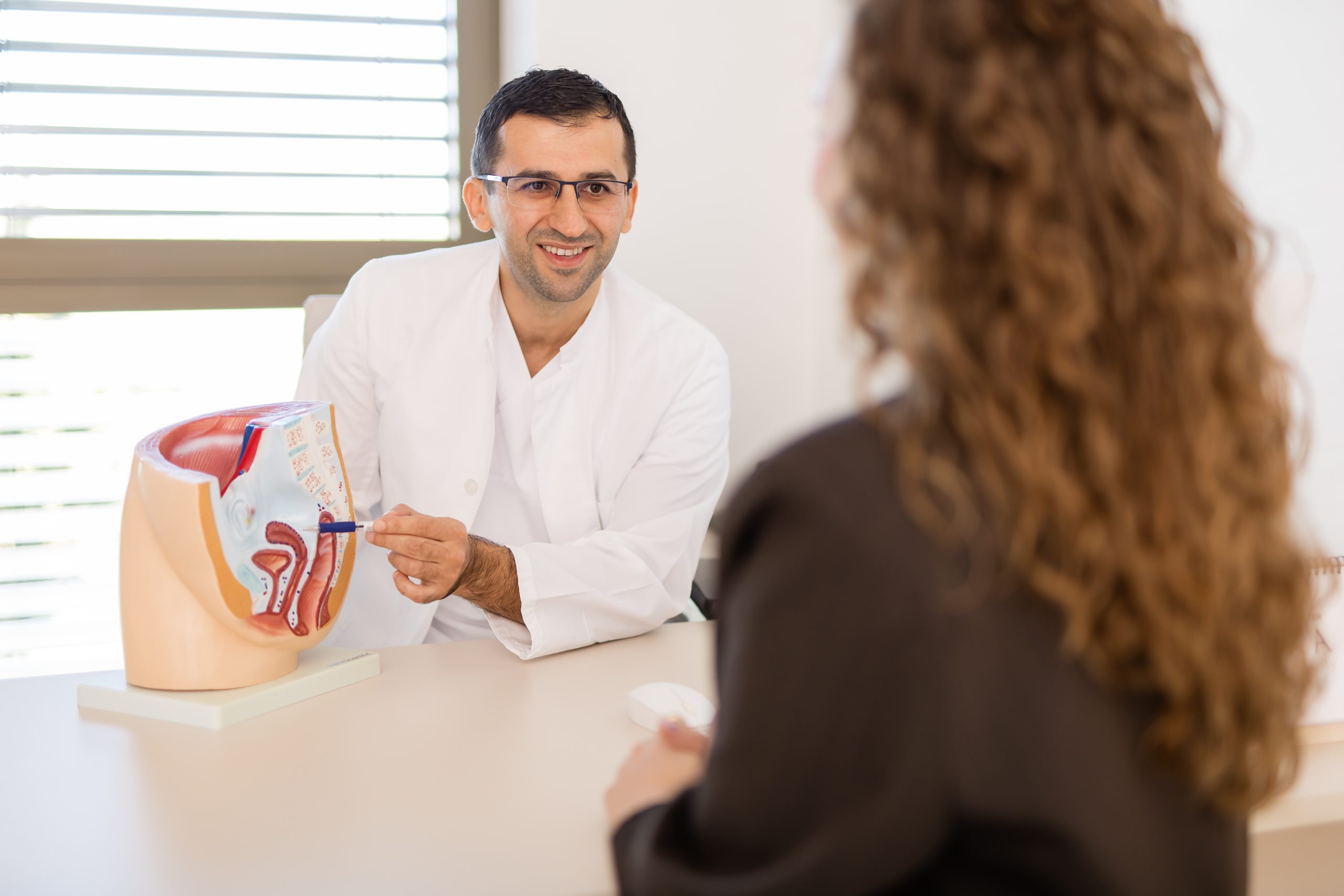
Congenital syndromes in which a woman is born without or with a markedly reduced number of eggs are sporadic. Such disorders are usually identified in childhood or adolescence because they affect puberty, so treatment begins much earlier and does not present solely as infertility later in life.
Surgical treatment of infertility
In men, unlike in women, congenital syndromes leading to poor semen analysis are more common.
“About 30 percent of infertility causes are female, 33 percent male, and the rest are mixed,” notes Dr. Jovanovac.

“Infertility treatment includes several approaches depending on the cause identified during diagnostic evaluation. One part of therapy focuses on treating endocrinopathies—that is, hormonal disorders that lead to ovulation or menstrual irregularities. The other important segment is the surgical treatment of infertility. Surgery is indicated for conditions considered direct or dominant causes of infertility or recurrent miscarriage. This group includes problems within the uterus that interfere with implantation, fetal development, or conception. The most commonly treated conditions are submucosal fibroids, endometrial polyps, and intrauterine adhesions. These are managed hysteroscopically, a minimally invasive method that enables precise removal of abnormalities inside the uterus without abdominal incisions and with speedy recovery,” he continues.
Dr. Jovanovac on endometriosis
Among significant conditions that can cause infertility is endometriosis. It is also one of the most common causes of chronic pelvic pain, fatigue, and generally reduced quality of life, while being strongly associated with infertility. Endometriosis can trigger inflammation, adhesion formation, and distortion of normal pelvic anatomy, all of which make fertilization and implantation more difficult.
“We treat endometriosis surgically with laparoscopy—an endoscopic method in which the abdominal cavity is accessed through several small incisions on the abdominal wall. Using a camera at the endoscope tip, we visualize the cavity and address any identified issues, such as ovarian cysts or adhesions caused by endometriosis or prior infections. During the same procedure, we can also assess tubal patency using the gold-standard method—chromopertubation. This involves injecting colored dye through the cervix and observing its passage through the fallopian tubes. Since this is an invasive procedure, chromopertubation is not performed routinely, but only when there are additional indications for laparoscopy or when it becomes necessary during the procedure,” explains Dr. Marko Jovanovac.

In cases where both fallopian tubes are obstructed, the woman is considered a candidate for assisted reproductive technologies, as natural conception is not possible.
“Laparoscopic evaluation thus allows us not only to diagnose and treat endometriosis and other pathologies but also to assess the patient’s true reproductive potential and determine the best further treatment plan,” concludes Dr. Jovanovac.

