Colorectal cancer is among the most common malignant diseases worldwide, accounting for around 10% of all diagnosed cancers. It is the second leading cause of cancer-related death globally. However, when detected early, colorectal cancer is curable in more than 90% of cases.
Symptoms of Colorectal Cancer
In Croatia, more than 3,600 people are diagnosed with colorectal cancer every year, with men affected more often. Most patients are over 50.
According to data from the Croatian Institute of Public Health, colorectal and rectal cancer were diagnosed in 3,820 people in 2023, and 1,996 people died during the same period.
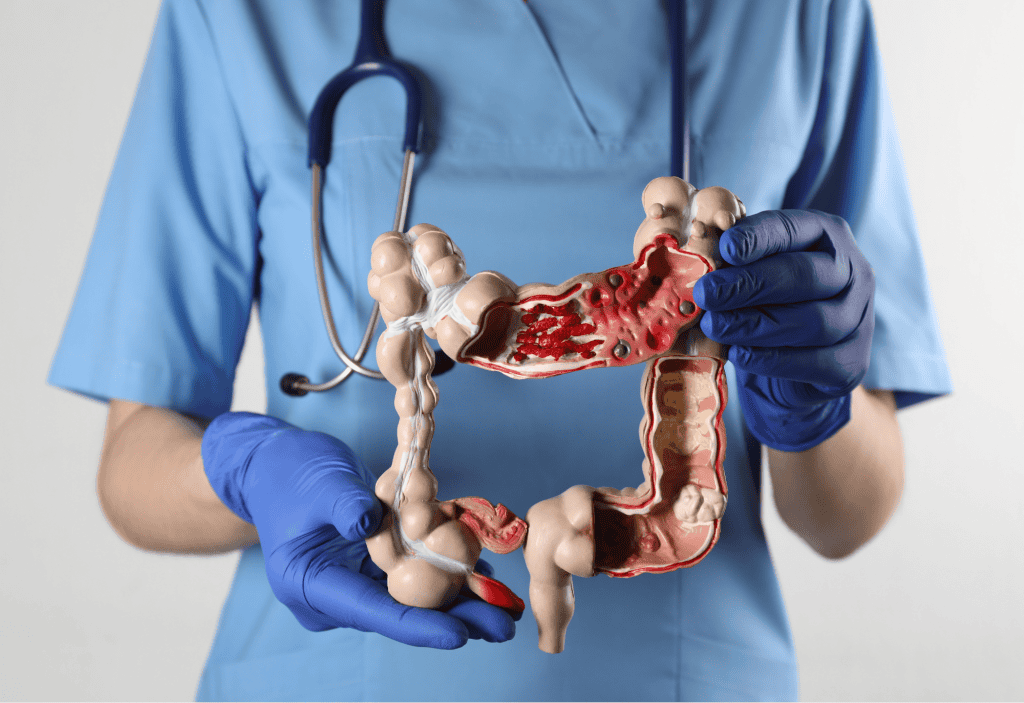
“Colorectal Cancer Awareness Month” in the Republic of Croatia is observed every March, following a 2022 decision by the Croatian Parliament. In the month when nature awakens, the aim is also to raise awareness about colorectal cancer, the importance of prevention, and the benefits of early detection.
Symptoms are often mild and non-specific at first, which is why the disease can remain unnoticed for a long time. That is why it is important to react to changes that last longer than two to three weeks:
- changes in bowel habits (persistent diarrhea or constipation, a feeling of incomplete emptying, “pencil-thin” stool)
- blood in the stool
- unexplained weight loss
- chronic fatigue
- weakness (often due to anemia)
- abdominal pain or cramps
- bloating
- a feeling of pressure in the abdomen
Pay special attention if you are over 50, have a family history of colorectal cancer, or live with inflammatory bowel disease.
Dr. Plažanin: Colonoscopy Saves Lives
Colonoscopy is the most important test for preventing colorectal cancer. It can detect polyp growths on the intestinal wall that are initially benign but may have malignant potential. Over a longer period, such as 10 or 20 years, they can develop into cancer.
“The recommendation for all of us is to have the first colonoscopy after the age of 45, and then repeat preventive examinations every five, and no more than ten, years. If there is a positive family history of colorectal cancer in close relatives, such as parents or siblings, preventive colonoscopy should start at age 40 or ten years earlier than the age at which the parent was diagnosed. For example, if a father develops colorectal cancer at 43, his children should have their first colonoscopy at 33,” explains Dr. Matej Plažanin, gastroenterologist at IMC Priora.
At IMC Priora, colonoscopy is performed under anesthesia, with no discomfort or pain for the patient.
Lifestyle habits also significantly influence the development of colorectal cancer. An unbalanced diet high in processed and red meat and low in fresh fruit and vegetables, a sedentary lifestyle, excess body weight, smoking, and regular alcohol consumption are recognized as important risk factors. Likewise, lifestyle changes and regular preventive check-ups greatly contribute to prevention.
Don’t wait, schedule a preventive examination today, and don’t let discomfort or fear of tests put your health at risk.

