Colonoscopy at IMC Priora is performed under anesthesia, allowing the patient to remain completely still and relaxed during the examination, without any discomfort or pain.
The fear of injections that could paralyze us as children seems completely insignificant when we are faced with a colonoscopy.
There are medical examinations that most patients tend to avoid, whether due to fear, pain, or discomfort. Colonoscopy is certainly high on that list. In the past, it really was a rather unpleasant examination, with an equally uncomfortable preparation. Today, however, the situation is quite different – preparation is simpler, and the “dreaded” examination can be quick, painless, and, most importantly, save your life.
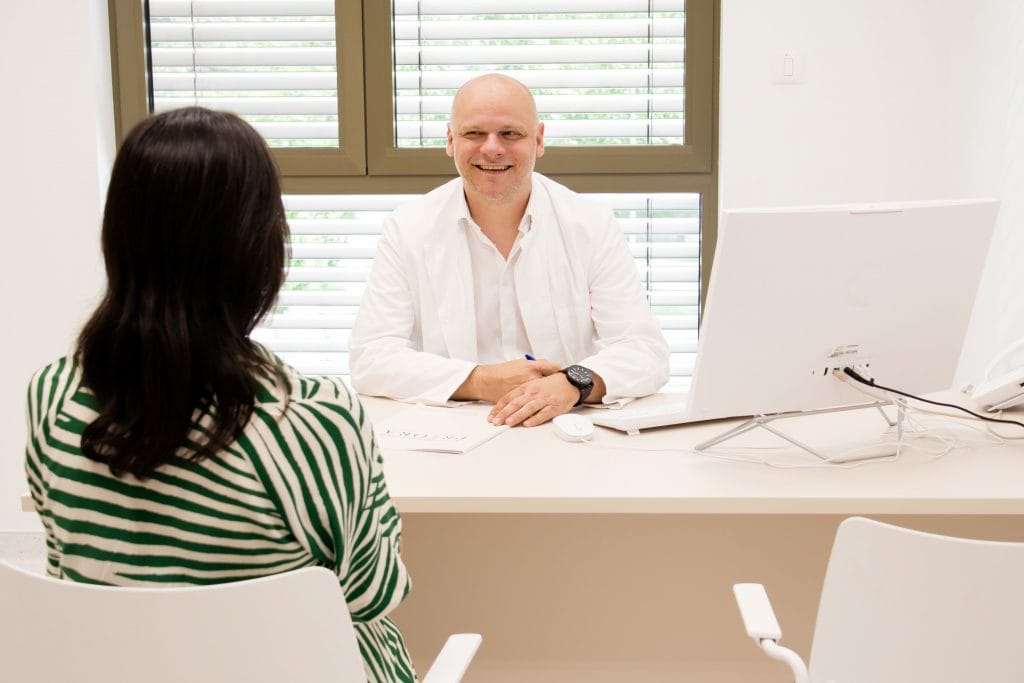
The examination is performed under anesthesia, allowing the patient to remain completely calm and relaxed throughout the procedure, without any discomfort or pain. At the same time, it provides the physician with optimal conditions for a thorough and precise examination of the colon, including the option to remove polyps immediately if detected.
What is a colonoscopy?
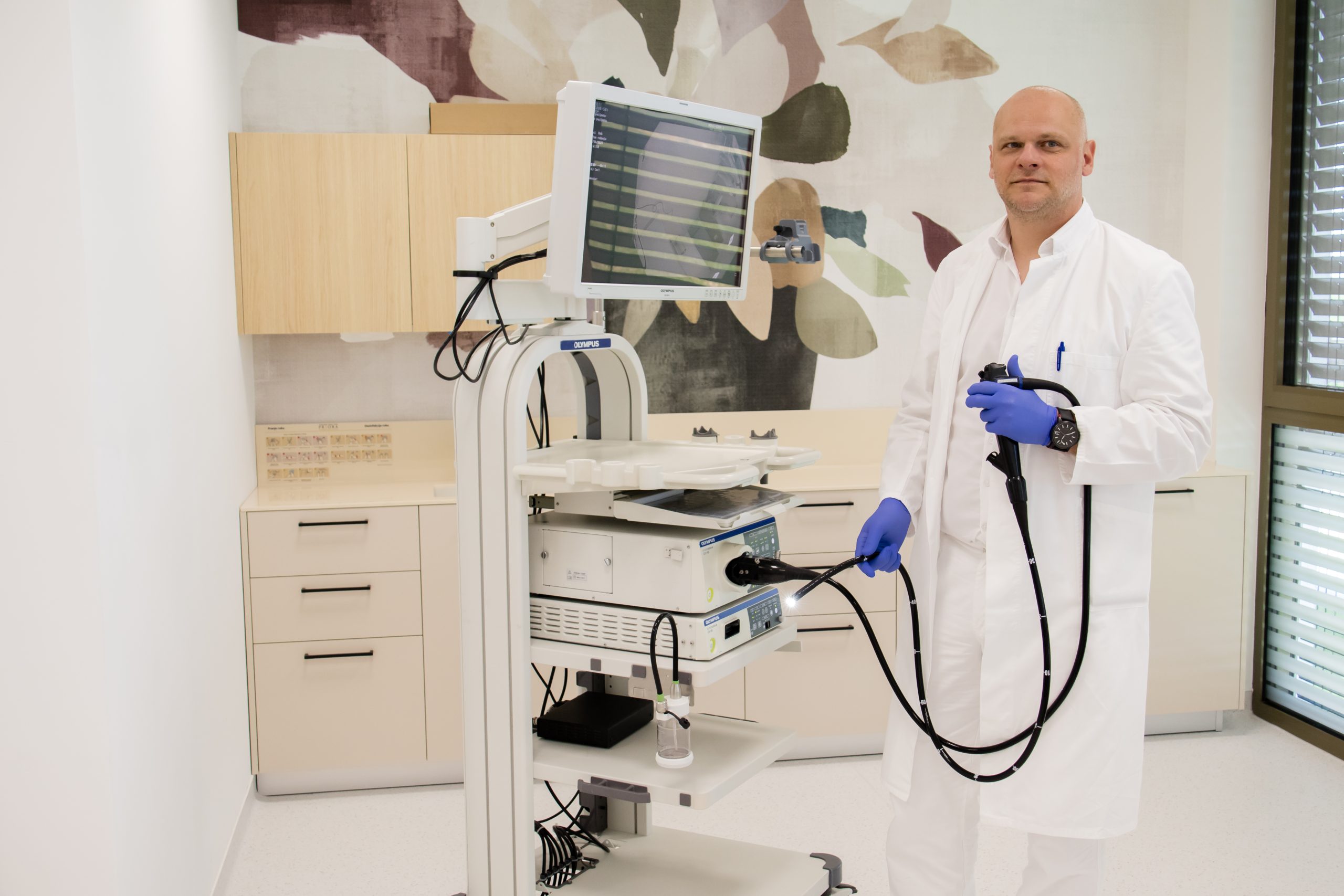
Colonoscopy is a diagnostic examination that allows a detailed view of the inside of the large intestine using a flexible instrument called a colonoscope. Colonoscopy enables the early detection of colorectal cancer as well as inflammatory bowel diseases such as Crohn’s disease and ulcerative colitis. It also detects polyps – growths on the intestinal wall that are initially benign but may develop malignant potential over time.
In March, Colorectal Cancer Awareness Month, special emphasis is placed on preventive examinations, and colonoscopy is the most important test in this context. More than 3,600 people in Croatia are diagnosed with colorectal cancer every year. Encouragingly, this malignant disease is curable in 95% of cases when detected early. That alone is a strong reason to face the fear of colonoscopy, isn’t it?
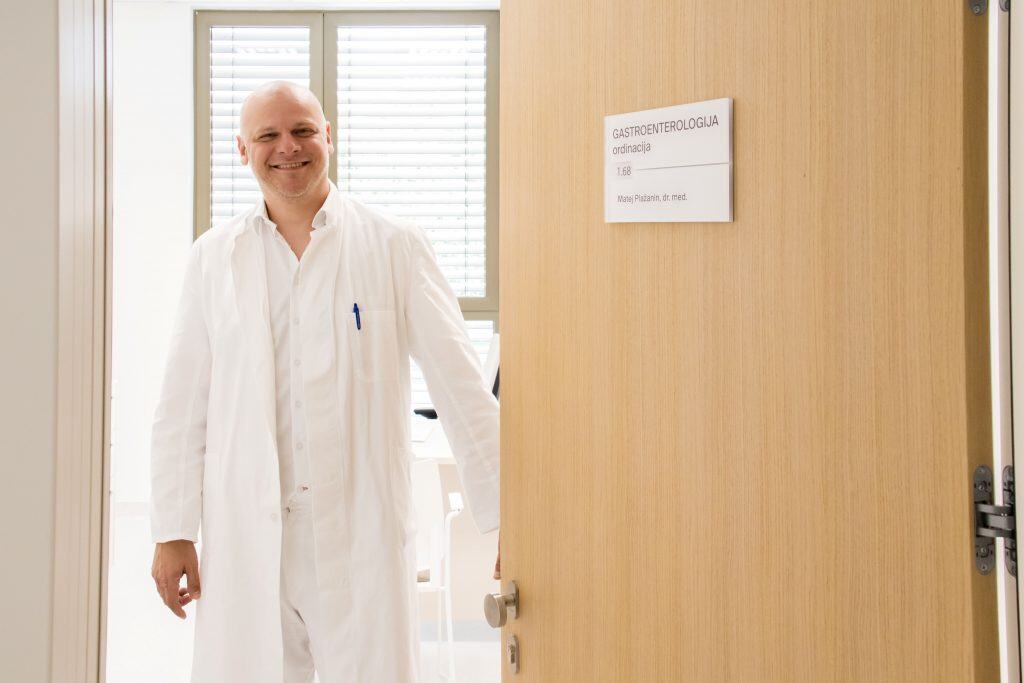
At IMC Priora, colonoscopy is performed by gastroenterologist Matej Plažanin, MD.
“Besides the discomfort caused by the very thought of colonoscopy, patients are most often afraid of possible pain during the examination. That is why we emphasize the option of performing the procedure under anesthesia. When done under anesthesia, the examination is completely painless and safe, allowing the patient to remain calm and relaxed throughout the entire procedure. This also enables the physician to perform a thorough and precise examination and, if necessary, remove polyps immediately. In this way, colonoscopy becomes not only safe and comfortable, but also a crucial step in preventing serious diseases such as colorectal cancer,” says Dr. Plažanin.
The first colonoscopy is recommended after age 45, followed by preventive examinations every 5 to 10 years. If there is a positive family history, preventive examinations should begin earlier – at age 40 or ten years before the age at which a close family member was diagnosed with cancer. For example, if a father was diagnosed at the age of 43, his children should undergo their first examination at the age of 33.
Awareness of the importance of preventive examinations should be the first motivation for visiting a gastroenterologist. In addition, several important indications for colonoscopy include changes in bowel habits – diarrhea or constipation lasting for a longer period, narrowing of stool diameter, a feeling of incomplete bowel emptying, blood in the stool, a positive stool test for occult blood, unexplained weight loss, bloating or cramps, persistent abdominal pain, anemia, and similar symptoms.
However, for our health, we should not wait for symptoms to appear; instead, we should regularly monitor the condition of our digestive system through preventive examinations.
Preparation for colonoscopy
Without proper preparation, there is no high-quality colonoscopy. Your physician will instruct you to follow a special diet for several days before the procedure. This usually includes easily digestible foods such as egg whites, boiled chicken and fish, white bread, boiled potatoes, rice, peeled vegetables, and liquids such as soups, tea, and coffee without milk. The day before the colonoscopy, it is necessary to switch to a completely liquid diet. Recommended options include clear broths, water, fruit juices without pulp, tea, and coffee.
One of the most important parts of colonoscopy preparation is thorough bowel cleansing using laxatives or special solutions prescribed by your physician. During preparation, it is important to drink plenty of fluids to prevent dehydration. On the day of the examination, do not eat or drink anything unless your doctor advises otherwise.
Although the preparation may sound demanding, experience shows that the instructions are easy to follow, and the effort is well worth it – because your health is at stake.
How a colonoscopy is performed
Colonoscopy is performed using a flexible instrument that is inserted through the anus to examine the lining of the entire large intestine. During the examination, the patient lies on their side, and the body position may be adjusted as needed to improve visualization of certain parts of the colon. If polyps are present, they can be removed immediately during the colonoscopy.
After the procedure at IMC Priora, the patient is placed in the day hospital unit, where they remain under monitoring and the care of a nurse until they wake up.
Do not let fear of the examination jeopardize your health – stay calm, stay safe, and schedule your colonoscopy.

