What is the carpal tunnel?
The carpal tunnel is an area in the hand (wrist/palm base) through which a nerve (the median nerve) passes. Because this region is surrounded by the bones and ligaments of the hand, it forms a channel.
What is carpal tunnel syndrome?
When the carpal tunnel narrows, it puts pressure on the nerve (the median nerve). When nerve damage occurs, symptoms appear. The term “syndrome” indicates that multiple symptoms are present.
What are the symptoms of carpal tunnel syndrome?
Early symptoms include pain, tingling, and loss of sensation in parts of the hand supplied by the median nerve, as well as difficulty handling objects (e.g., difficulty buttoning a shirt, dropping items, clumsiness, etc.). If the narrowing continues and nerve damage progresses, it can lead to permanent loss of sensation in parts of the hand and loss of hand function (the person can no longer move the fingers).

Genetics, obesity, diabetes, rheumatoid arthritis, hypothyroidism, pregnancy, menopause, kidney disease, heart failure, alcoholism, deficiencies of certain vitamins, and previous wrist fractures are considered risk factors for developing carpal tunnel syndrome.
How common is carpal tunnel syndrome?
Carpal tunnel syndrome is common in the general population, affecting 1–5% of people. It is also the most common single type of nerve disorder, accounting for approximately 90% of all such cases. It affects women about three times more often and typically occurs between the ages of 40 and 60.
Who most often develops carpal tunnel syndrome?
People whose work exposes their hands to impacts and vibrations (e.g., tradespeople using drills), those who perform repetitive movements (office work on a keyboard), and individuals with certain risk factors.
What are the risk factors for carpal tunnel syndrome surgery?
Genetika, pretilost, dijabetes, reumatoidni artritis, hipotireoidizam, trudnoća, menopauza, bolesti bubrega, zatajenje srca, alkoholizam, manjak određenih vitamina, prijašnji prijelomi šake ubrajaju se u rizike za razvoj sindroma karpalnog tunela.
How can IMC Priora reduce exposure to risk factors?
IMC Priora provides obesity treatment (obesity doubles the risk of tunnel narrowing), treatment of heart failure (cardiology specialist), treatment of kidney disease (internal medicine specialist), monitoring of women in menopause (gynecology specialist), thyroid disease treatment (hormone monitoring in our in-house laboratory with therapy provided by an internal medicine specialist), and vitamin monitoring (folic acid and B12).
What are the treatment options for carpal tunnel syndrome at IMC Priora?
Because the syndrome can cause permanent complications, it is important to act promptly and implement measures to prevent further worsening. The goal is always first to try lifestyle changes (weight loss, treatment of underlying conditions such as vitamin deficiency and diabetes).

When this is not enough, injections (corticosteroids/glucocorticoids) are an option with fewer potential complications than surgery. When none of these measures help, surgery is required to preserve hand function and make everyday activities easier for the patient.
What are the possible problems with corticosteroid injections?
Possible complications include increased pressure on the median nerve, worsening of symptoms, incorrect injection placement (into the nerve), and tendon rupture responsible for finger movement.
What are the possible problems with carpal tunnel surgery?
Possible complications include abnormal scar formation, joint stiffness, nerve injury, infection, bleeding, and the possibility that some symptoms may persist.
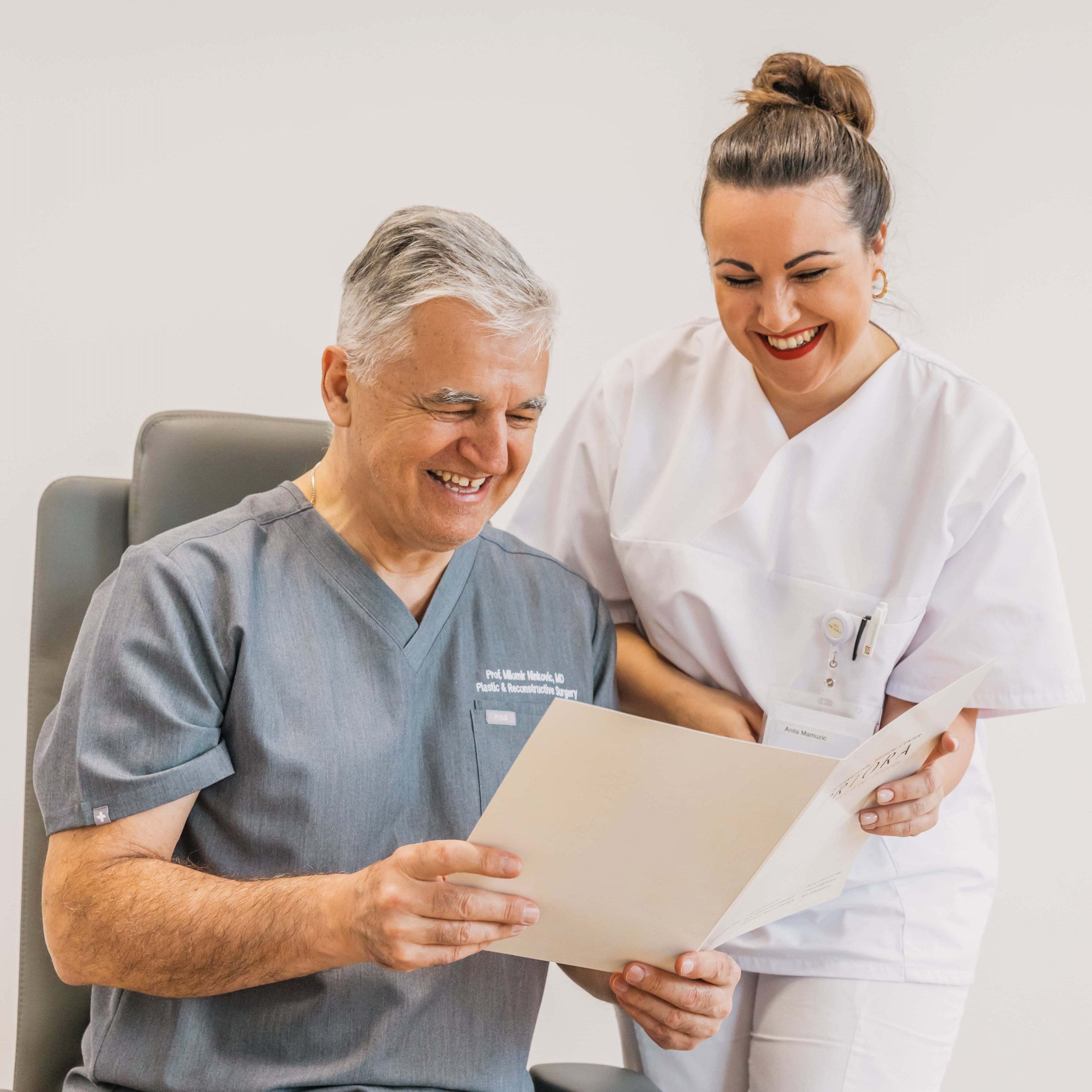
At IMC Priora, surgery can be performed under general anesthesia, along with most of the pre-operative workup required for surgical procedures and the final assessment by an anesthesiologist. Hand surgery procedures and carpal tunnel syndrome treatment are performed by a team led by Prof. Milomir Ninković, MD, PhD an experienced and internationally recognized expert with many years of practice in reconstructive microsurgery and hand surgery, ensuring a high standard of safety and precision for patients.

